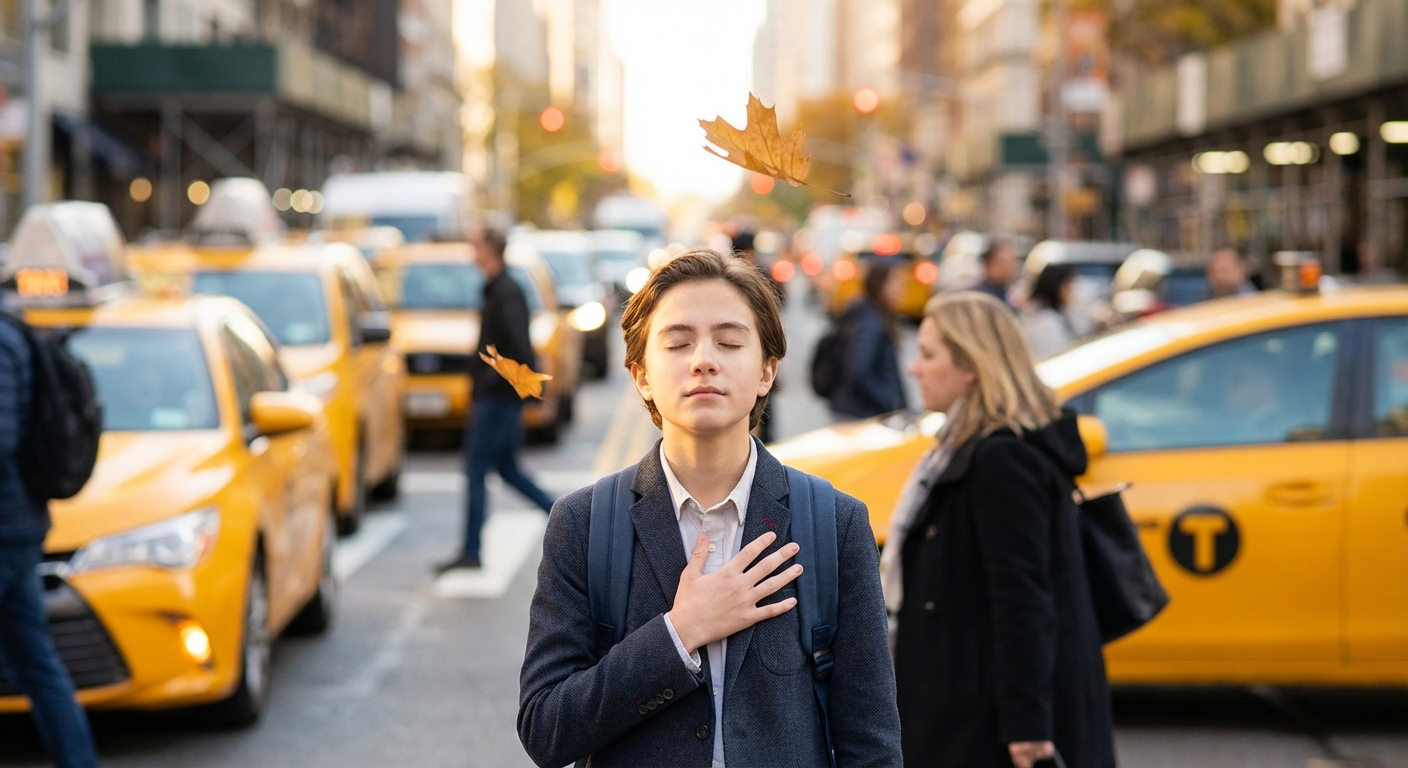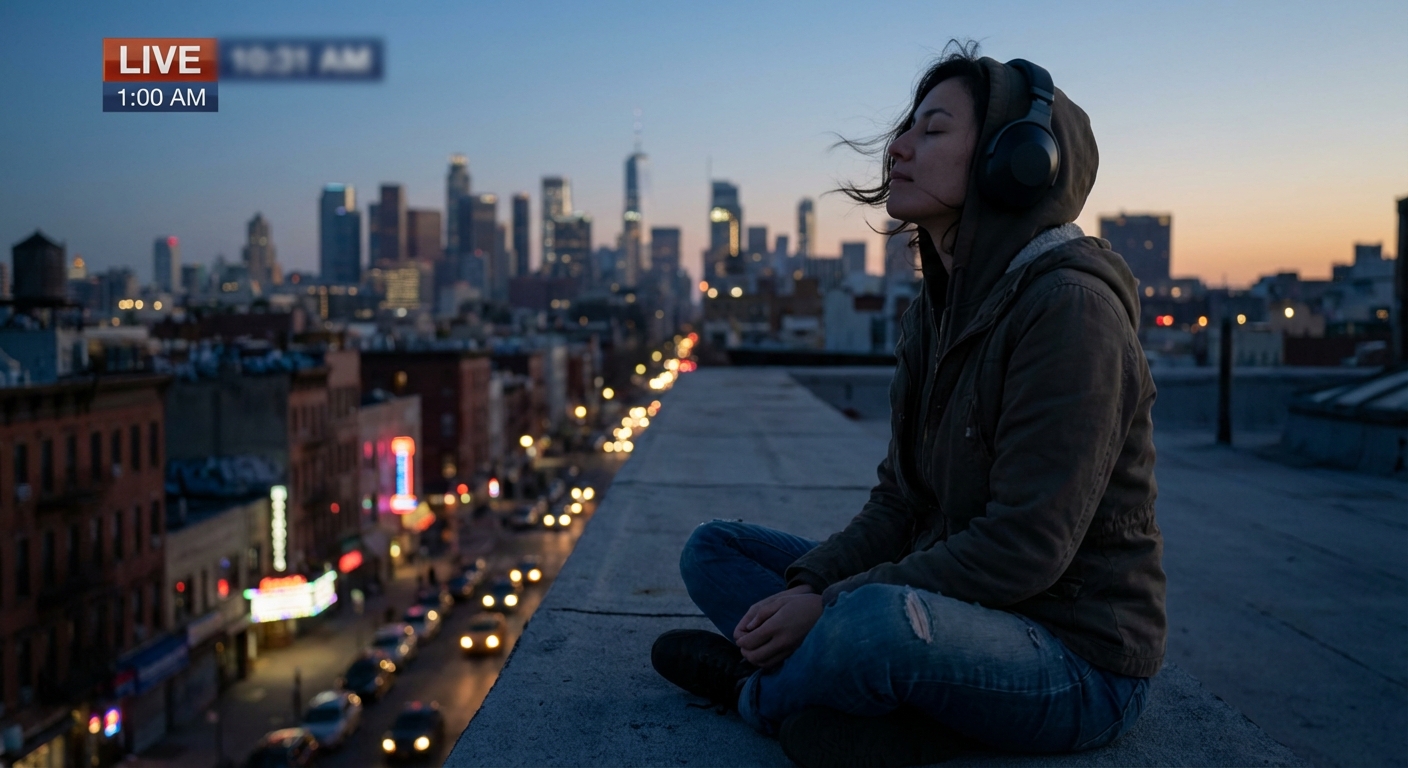
Stillness is not a single technique. It’s more like a spacious room that you can enter through many different doors.
Entering Stillness Through Many Doors
Some people arrive through the breath. Others through movement, sound, or gentle attention to the senses. If one approach hasn’t worked well for you, it doesn’t mean you’re incapable of stillness—it may simply mean you haven’t found your doorway yet.
Below are five different ways to explore stillness. You can try them all or choose one that speaks to you today. Each practice is brief, kind, and suitable for beginners and long‑time practitioners alike.
Doorway 1: Stillness Through the Breath
The breath is the most familiar anchor in mindfulness practice, and for good reason. It’s always with us, shifting gently from moment to moment.
3–5 Minute Breath Sanctuary
Find a comfortable position
Sit, stand, or lie down in a way that feels supported. Let your shoulders soften.
Notice your natural rhythm
Without changing anything, feel your inhale and exhale as they are. Fast, slow, shallow—it’s all welcome.
Count the exhale
For a few breaths, silently count the exhale (for example: inhale naturally, then “1…2…3…4” on the exhale). If numbers feel stressful, simply whisper inwardly, “out… out… out…” as you breathe out.
Rest in the space between breaths
Notice the tiny pause at the end of each exhale—a moment of natural stillness. Let your awareness rest there for a beat before the next inhale arrives on its own.
Why it helps:
Research shows that slow, conscious breathing supports the parasympathetic nervous system, gently lowering heart rate and inviting a sense of calm.
Doorway 2: Stillness Through the Body
For some, focusing on thoughts or breath can feel intense. The body offers a more grounded path.
5‑Minute Ease Scan
Choose a position that feels safe
Sitting or lying down, allow your body to be supported.
Start at the feet
Gently notice sensations in your feet: pressure, temperature, tingling, or even numbness. There is no need to change anything.
Travel upward slowly
Move your attention through your legs, hips, belly, chest, arms, hands, shoulders, neck, and face. Spend a breath or two in each area.
Invite, don’t insist
Where you find tension, you might silently say, “You’re allowed to soften,” while also accepting if it doesn’t change. The invitation itself is an act of kindness.
Why it helps:
Body scans increase interoceptive awareness—the ability to sense internal states. Studies link this to improved emotional regulation and reduced anxiety.
Doorway 3: Stillness Through Sound
If your environment is noisy, it might feel like stillness is impossible. Yet sound can become part of the practice rather than a distraction.
3‑Minute Listening Practice
Sit or stand wherever you are
Close your eyes if that feels comfortable, or soften your gaze.
Open to all sounds
Instead of labeling sounds as interruptions, welcome them as guests. Notice which are near (your breath, a clock) and which are far (traffic, voices, birds).
Listen without a story
When you notice the mind adding commentary—“That’s annoying,” “When will it stop?”—gently shift back to the raw sound itself: pitch, volume, rhythm.
Include the silence underneath
Between sounds, or behind them, sense a subtle quietness. Let your awareness rest there, even for a second.
Why it helps:
This practice trains the brain to relate to stimuli with curiosity instead of immediate judgment, which can reduce reactivity and stress.
Doorway 4: Stillness Through Gentle Movement
Stillness does not always mean being motionless. For many of us—especially when anxious or energized—soft, intentional movement is the most accessible door.
5‑Minute Flowing Stillness
Stand with relaxed knees
Place your feet hip‑width apart. Let your arms hang naturally.
Sway like a tree
Slowly shift your weight from side to side, as if moved by a gentle breeze. Keep the movement small and comfortable.
Coordinate with breath
Notice how your breath naturally synchronizes with the sway. You might inhale as you move to one side, exhale as you move to the other.
Gradually slow down
Over a minute or two, let the movement become smaller until you come to stillness. Feel the afterglow in your body: the subtle echoes of motion.
Why it helps:
Science shows that rhythmic movement can calm the nervous system. Combining gentle motion with awareness can ease restlessness and invite a quieter mind.
Doorway 5: Stillness Through Kindness
Sometimes, what most disturbs our stillness is not noise or movement—it’s inner criticism. Bringing warmth to our experience is its own powerful practice.
3‑Minute Compassion Pause
Place a hand where you feel stress
This might be your chest, stomach, throat, or somewhere else. Let your hand rest there with a gentle weight.
Name your experience
Silently acknowledge what’s here: “Tightness,” “Worry,” “Tiredness,” “Overwhelm.” You don’t need to analyze it.
Offer a kind phrase
Choose words that feel natural, such as: - “This is hard, and I’m here with myself.” - “May I be gentle with myself in this moment.” - “Others feel this too; I’m not alone.”
Rest with the feeling
There’s nothing to fix. Allow your breath and your hand to be a quiet presence.
Why it helps:
Self‑compassion practices have been shown to reduce self‑criticism, depression, and anxiety while increasing resilience. They turn stillness into a refuge rather than a test.
Choosing Your Doorway Today
You don’t need to use all five practices. Instead, you might ask:
“What kind of stillness do I need right now—breath, body, sound, movement, or kindness?”
There is no wrong answer. Your needs may change from day to day, even moment to moment.
Stillness is not a destination you arrive at once and for all. It’s a living, breathing relationship with the present. Each of these doorways offers a different way to say yes to this moment—exactly as it is.
When you’re ready, choose one doorway and step through, even for just two or three minutes. Let your experience unfold without judgment.
The room of stillness is already within you. You’re simply learning how to find the door.