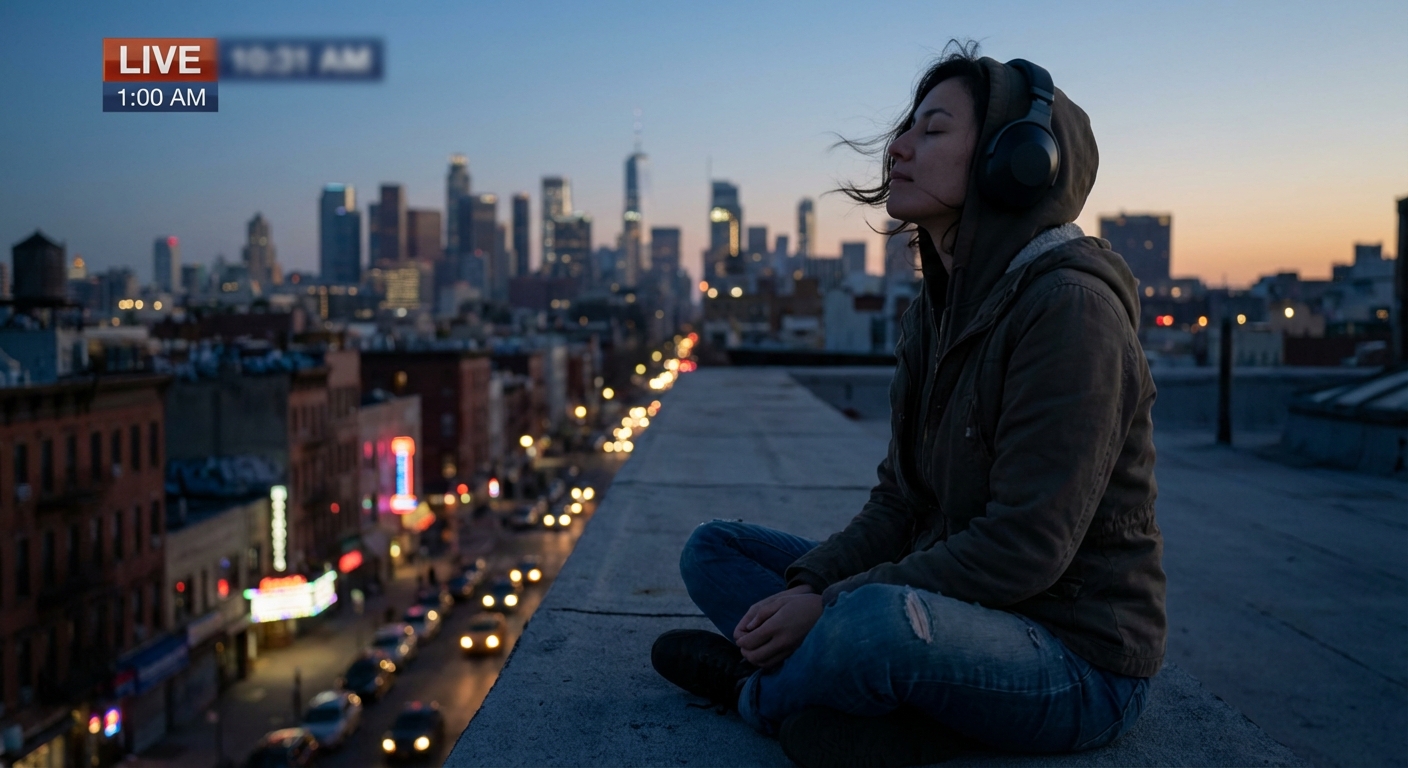
There is a simple art that many of us have quietly lost: the art of doing nothing.
The Quiet Skill We Forgot
Not “nothing” as in scrolling, binge-watching, or mentally planning tomorrow’s to‑do list. A deeper kind of nothing: resting in stillness, letting the moment be exactly as it is, without fixing or improving it.
For mindfulness practitioners, stillness is not a performance. It is a soft returning—again and again—to the reality of this breath, this body, this heartbeat. No matter how long you’ve practiced, stillness remains a humble teacher.
In this article, we’ll explore what stillness really is, why it matters for our minds and bodies, and how to invite more of it into daily life with compassion and ease.
What Stillness Really Means (Beyond Sitting Perfectly Still)
When we hear the word stillness, many of us picture a person sitting cross‑legged and serene, completely free of thoughts.
In reality, stillness is less about the absence of movement and more about the quality of attention.
Stillness can be:
- Sitting at a red light and feeling your hands on the steering wheel
- Pausing before answering an email and taking one full breath
- Standing in the shower, noticing the warmth of the water without rushing
Thoughts may still swirl. Emotions may still rise and fall. The world continues its noise. Stillness is the quiet willingness to be here with all of it.
You don’t have to push anything away to be still. You simply don’t chase every passing thought. You give yourself permission to rest in awareness itself.
Why Your Nervous System Longs for Stillness
Modern life encourages constant stimulation: notifications, news updates, conversations, background noise. Our nervous systems are often held in a semi‑alert state, prepared to react.
Science suggests that moments of intentional stillness can help balance this.
- Activation of the parasympathetic nervous system: Mindfulness and gentle breathing practices activate the "rest and digest" response, which supports digestion, immune function, and overall recovery.
- Reduced stress markers: Research on mindfulness and meditation shows consistent reductions in perceived stress and, over time, lowered levels of stress hormones like cortisol.
- Improved emotional regulation: Quiet, attentive rest allows the brain’s emotion centers (like the amygdala) and regulatory regions (like the prefrontal cortex) to communicate more effectively, supporting calmer responses.
You don’t need long retreats or perfect silence to benefit. Even a few mindful breaths can offer a small but meaningful reset.
A 3‑Minute Stillness Practice You Can Try Now
You can explore this wherever you are. There’s no need to change your posture dramatically—just enough to feel supported.
Arrive where you are
Let your feet rest on the floor or your body settle into the surface beneath you. Notice any spots of contact: feet, legs, back, hands.
Greet your next three breaths
Without changing your breathing, feel three natural inhalations and exhalations. Let your attention rest gently on the sensation of air moving in and out.
Notice what’s already here
Become curious: What sounds are in the background? What sensations are in your body—tightness, warmth, tingling, heaviness? You don’t need to label them as good or bad. They’re simply here.
Softly loosen the grip on thoughts
Thoughts may come. That’s perfectly natural. Rather than following the story, you might silently note, “thinking,” and then return to the feeling of the breath, or the weight of your body.
End with one kind sentence
Before you move on, offer yourself a gentle phrase, such as: - “I’m doing the best I can.” - “This moment is enough.” - “May I meet myself with kindness.”
This is stillness: a few minutes of intentional presence, nothing more heroic than that.
Short, Everyday Ways to Taste Stillness
You don’t need a dedicated meditation room to practice. Stillness can weave into the smallest corners of the day.
Try one of these today:
- The Kettle Pause: While waiting for tea or coffee to brew, stand or sit without your phone. Feel your feet, notice your breath, listen to the small sounds in the room.
- Doorway Breath: Each time you walk through a doorway, take one conscious breath and feel the gentle shift from one space to another.
- Phone Wake‑Up: Before you touch your phone in the morning, place one hand on your chest. Feel three slow breaths and notice how your body feels on waking.
- Evening Exhale: Before bed, sit on the edge of the bed, and lengthen your exhale slightly (for example, breathe in for a count of 4, out for a count of 6) for 6–10 breaths.
These small practices aren’t trivial. Over time, they form a quiet path back to yourself.
Meeting Restlessness with Compassion
For many people, stillness can feel uncomfortable at first. Restlessness, boredom, or even anxiety may show up when external distractions fade.
This is not a sign that you’re “bad” at stillness. It’s a sign that you’re human.
You can gently support yourself by:
- Normalizing what arises: Remind yourself, “It’s natural to feel this way when I slow down.”
- Shortening the practice: If 10 minutes feels overwhelming, try 1–3 minutes. Consistency matters more than length.
- Adding an anchor: A candle flame, gentle music, or placing a hand on your heart can give the mind something soothing to rest on.
- Allowing movement: Stillness of mind does not require complete stillness of body. You can rock slightly, stretch, or lie down.
The invitation is not to force calm, but to stay kindly present with whatever is here.
Letting Stillness Ripple into Your Life
As stillness becomes more familiar, you may notice quiet shifts:
- A slightly longer pause before reacting to stress
- A softer tone in your self‑talk
- Moments of unplanned gratitude—a patch of sunlight, a kind word, the warmth of a mug in your hands
These are signs that stillness is no longer confined to a meditation cushion. It is becoming a living quality in how you move through the world.
You don’t have to master anything. There is no exam.
All that’s needed is this willingness to pause, breathe, and gently return—over and over—to the simple, honest reality of the present moment.
In a culture that celebrates doing, the choice to rest in being is a quiet, radical kindness.
Today, if you wish, you might set aside three minutes simply to do nothing on purpose. Let your body be. Let your mind wander and return. Let the moment hold you.
That, in itself, is enough.