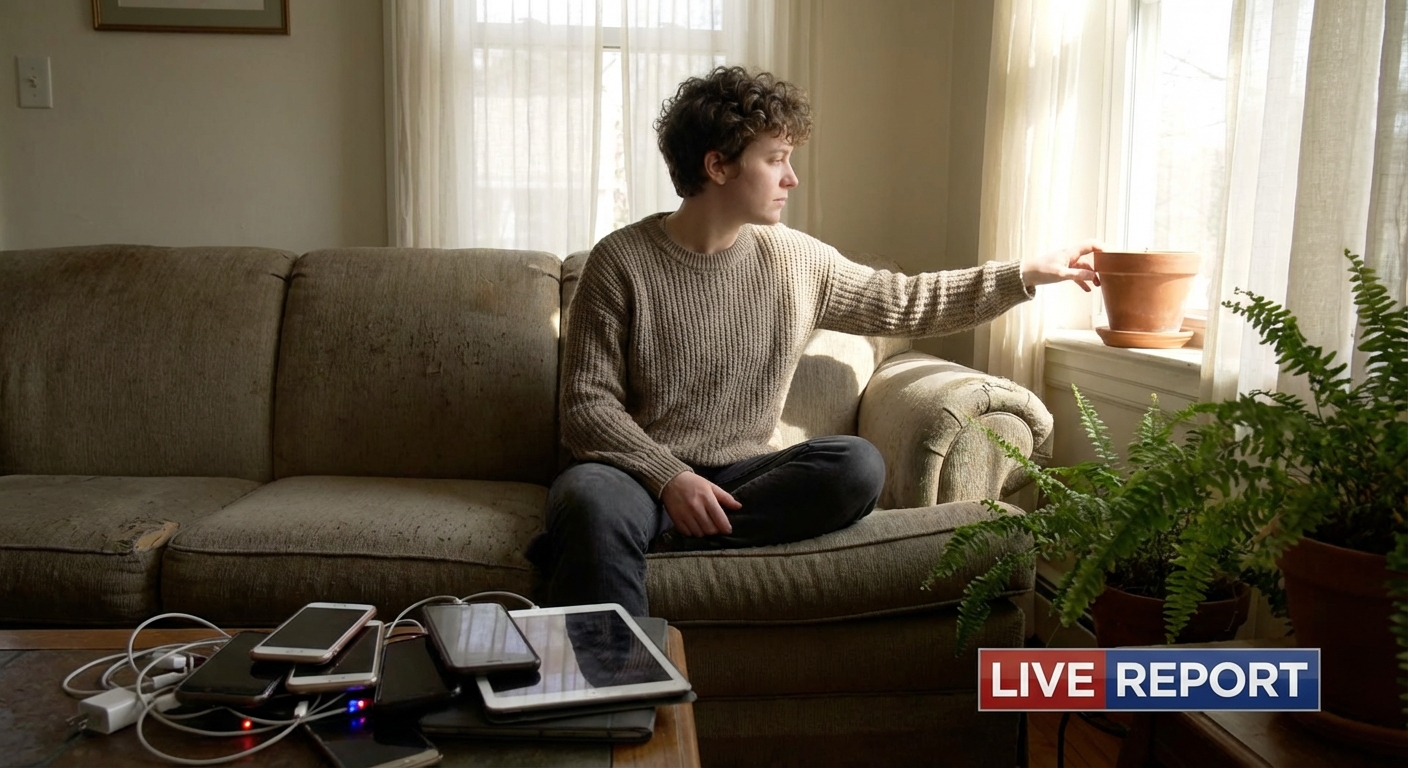
Modern life offers endless ways to leave the present moment: notifications, streaming, constant to-do lists, and the soft hum of worry in the background. It’s natural to feel pulled toward distraction. Your brain actually seeks novelty and quick relief.
The Quiet Tug-of-War Inside
Mindfulness doesn’t demand that you give up all distractions. Instead, it gently invites you to notice the difference between living on autopilot and living with awareness—and to choose presence a little more often, without criticizing yourself when you don’t.
This article explores how mindfulness and distraction differ, what each offers, and how you can shift toward presence with warmth rather than willpower.
What We Get from Distraction (and Why It’s Not the Enemy)
Distraction often gets labeled as “bad,” but it serves understandable purposes:
- Temporary relief from emotional discomfort
- Escape from boredom or restlessness
- A sense of control when life feels overwhelming
Scrolling, snacking, or binge-watching can be coping strategies, especially when you’re tired or stressed. Seeing them this way can reduce shame and open space for gentle curiosity.
You might ask:
- “What am I hoping this distraction will help me avoid or soothe?”
- “Is it helping right now, or making things heavier?”
This is not about judging yourself, but about understanding your own patterns.
What We Get from Mindfulness
Mindfulness, by contrast, is the practice of turning toward your actual experience—thoughts, feelings, body sensations, and surroundings—with curiosity and care.
Over time, mindfulness can offer:
- A clearer sense of what you’re feeling and needing
- More choice in how you respond, rather than reacting on autopilot
- A deeper capacity to tolerate and befriend difficult emotions
- Moments of genuine calm, connection, and meaning
Science-backed benefits of regular mindfulness practice include reduced stress, improved attention, and increased emotional resilience. But beyond research, many practitioners simply describe feeling more at home in themselves.
A Gentle Comparison: Autopilot vs. Awareness
Rather than “mindfulness good, distraction bad,” you might hold a softer comparison:
| Autopilot / Distraction | Mindfulness / Awareness | |
|---|---|---|
| Relationship to feelings | Avoids, numbs, or overrides | Turns toward with curiosity |
| Sense of control | Short-term relief, long-term stuckness | Short-term effort, long-term freedom |
| Body awareness | Often disconnected or tense | Increasingly attuned and responsive |
| Decision-making | Impulsive or habitual | More intentional and aligned with values |
| Inner tone | Self-criticism or indifference | Growing friendliness and compassion |
Both modes will appear in your life. The invitation is simply to notice which one you’re in and gently experiment with shifting when it feels possible.
Practice: The Mindful Check-In Instead of Auto-Scroll
The next time you catch yourself reaching for your phone—or any habitual distraction—you can try this short practice.
- Pause before you tap. Just for a second or two.
- Feel your body. Notice your breath, the position of your shoulders, the sensation in your chest or stomach.
- Name your state. Softly name what you’re feeling: “Restless,” “lonely,” “tired,” “bored,” “anxious.”
Ask a kind question: “What do I actually need right now?”
Maybe the answer is a light distraction for a few minutes. Maybe you need water, a stretch, a supportive message to a friend, or a few breaths. There is no right answer. The practice is in asking and listening.
Over time, this check-in strengthens your capacity to respond from awareness rather than impulse.
Your Brain on Mindfulness and Distraction
From a scientific perspective:
- Distraction often activates reward pathways in the brain, giving quick hits of dopamine (the “feel-good” neurotransmitter). This can be soothing in the moment but may not address underlying stress or sadness.
- Mindfulness practices engage brain regions involved in attention, self-awareness, and regulation. Repeated practice can strengthen these networks—much like exercising a muscle—making it easier to stay present and grounded.
Studies using brain imaging have shown that mindfulness can reduce default mode network activity associated with self-referential rumination (the “running commentary” in your head) and increase connectivity in areas related to empathy and perspective-taking.
You don’t need to remember these terms, only that your brain is adaptable. Small, consistent moments of awareness can gradually shift how it functions.
When Distraction is Kind and When It Isn’t
Mindfulness doesn’t forbid distraction. Instead, it helps you sense when distraction is compassionate and when it adds to your suffering.
Distraction can be kind when:
- You’re emotionally flooded and need a break to stabilize
- You’re exhausted and a gentle, light activity brings you ease
- You intentionally choose a movie, game, or book for pleasure or rest
Distraction becomes less helpful when:
- You repeatedly avoid feelings that need care or boundaries that need setting
- You finish distracting and feel more drained, numb, or ashamed
- It interferes with sleep, relationships, or responsibilities in ways that hurt
Instead of labeling behavior as good or bad, you can ask:
- “How do I feel before, during, and after this?”
- “Is there another option that might nourish me more right now?”
A 3-Step Mindful Pivot from Distraction to Presence
When you notice you’ve been lost in distraction and want to gently come back, you can try this:
Acknowledge without blame
“I’ve been scrolling for a while.” Avoid adding, “…I’m terrible at focus.” Just notice the fact.
Return to the body
Feel your feet, your seat, your breath. Take 3–5 slower breaths. Sense your surroundings—light, sounds, temperature.
Choose a next step with care
Ask, “What is one small, kind thing I can do next?” This could be standing up, getting a glass of water, stretching, or attending to a task that matters.
Each time you do this, you strengthen the pathway back to presence.
Practicing Forgiveness Along the Way
You will get lost in distraction. Everyone does. Mindfulness doesn’t prevent this; it shortens the time between getting lost and coming home.
When you notice you’ve drifted far from the present moment, you might try this simple phrase:
“I wandered. Now I’m back. This, too, is practice.”
You can place a hand on your heart or cheek as you say it, offering yourself the same patience you might give a child learning something new.
Over time, you may discover that there is a quiet freedom in choosing presence—not because you “should,” but because it feels more honest, more alive, and more aligned with how you wish to inhabit your one precious life.
Presence will not be perfect. It will be tender, uneven, and human. And that is more than enough.