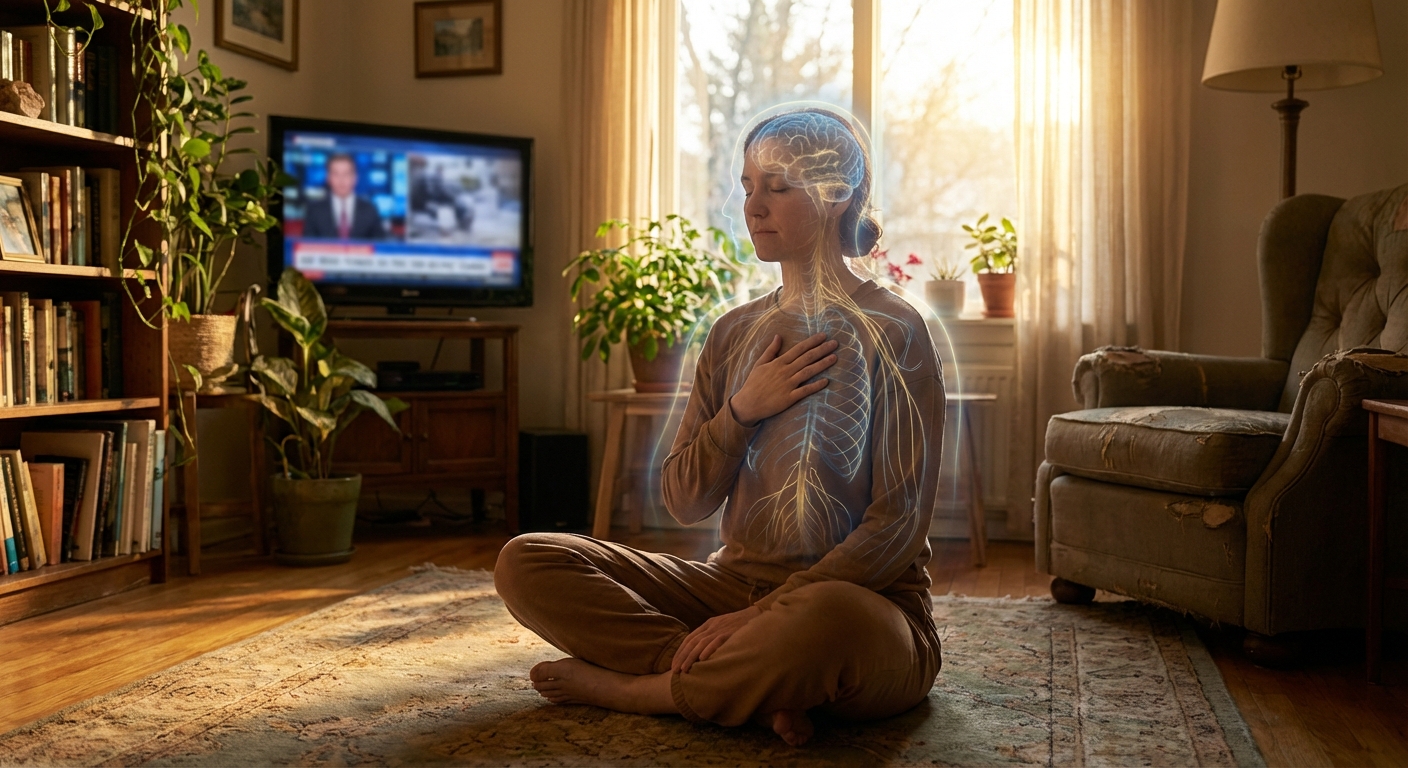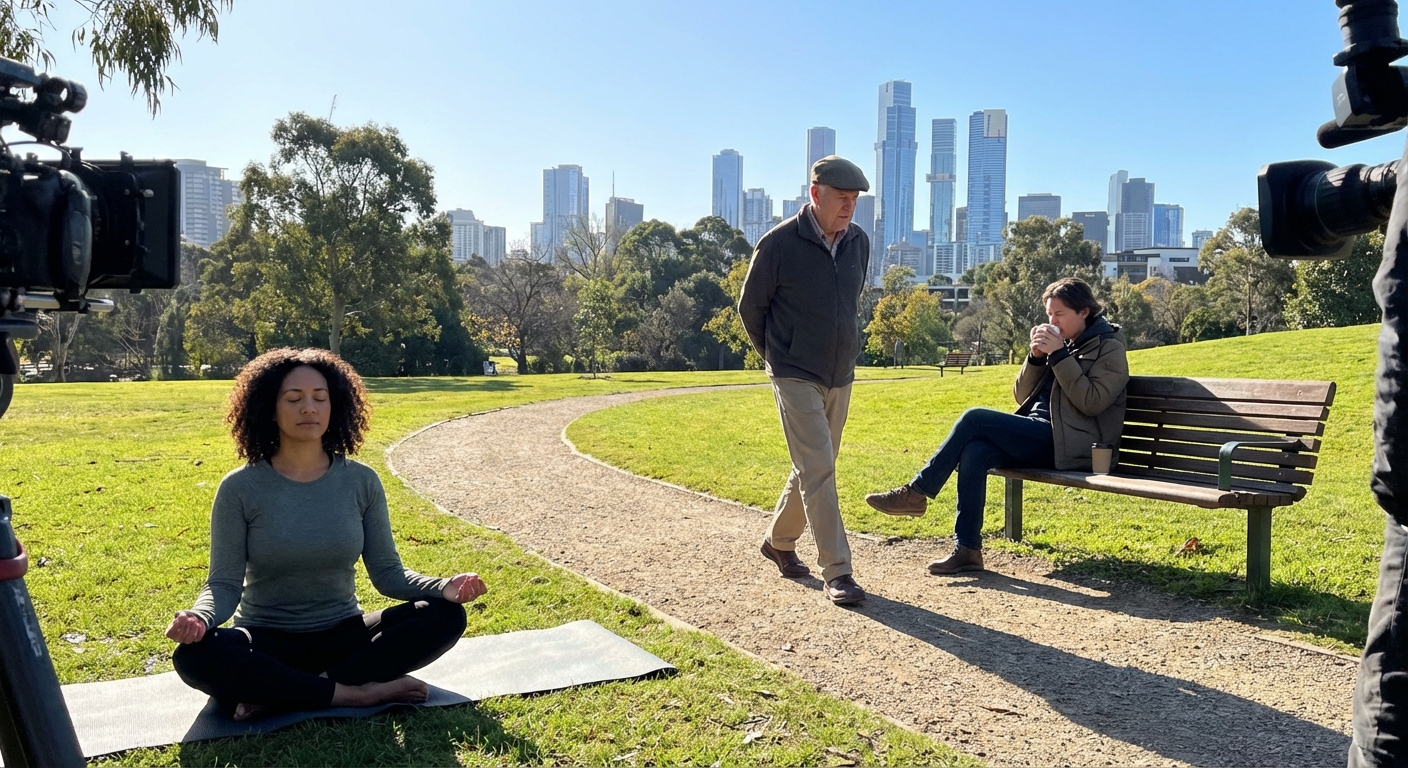
Mindfulness is not a performance, a special talent, or a state of perfect calm. It is simply the practice of being present with your life as it unfolds, moment by moment, with as much kindness as you can offer.
Meeting Yourself Where You Are
Whether you are new to mindfulness or have practiced for years, this path always begins in the same place: here, with this breath, in this body.
In this guide, we’ll explore how to weave mindfulness into ordinary moments—without adding pressure or perfectionism. You’ll find gentle practices you can try today, along with science-backed insights that explain why these small shifts can make a meaningful difference.
What Mindfulness Really Is (and Isn’t)
At its heart, mindfulness is:
- Attention: Turning toward what is happening right now—inside and around you.
- Intention: Choosing to be present, even briefly, instead of moving on autopilot.
- Attitude: Bringing curiosity and warmth rather than harsh judgment.
Mindfulness is not about:
- Emptying your mind of thoughts
- Forcing yourself to be calm
- Doing it “right” or achieving a special spiritual status
Thoughts will come. Emotions will rise. Distractions will appear. Mindfulness simply invites you to notice and gently return, again and again.
The Science of Simple Pauses
Research over the past two decades has shown that regular mindfulness practice can:
- Reduce stress and anxiety: Studies show mindfulness training can lower activity in the brain’s threat-detection center (the amygdala), making it easier to respond rather than react.
- Strengthen attention: Practicing presence trains the prefrontal cortex, which supports focus, decision-making, and emotional regulation.
- Support emotional balance: Mindfulness can help you notice difficult feelings without being overwhelmed by them, increasing resilience.
- Improve well-being: Even brief daily practices have been linked to more positive emotions and a greater sense of meaning.
You don’t need long retreats to benefit. Short, consistent moments of awareness scattered through your day can gently reshape how your mind and body handle stress.
A 3-Breath Arrival: A 30-Second Practice
You can begin right now with a simple, grounding practice.
3-Breath Arrival
1. Pause. Wherever you are, allow yourself to stop for a moment. You don’t need to change anything—just pause.
2. First breath: Notice the body. Slowly inhale and exhale, gently feeling the weight of your body where it rests—feet on the floor, hands on your lap, back against a chair.
3. Second breath: Notice the breath. Feel the air moving in and out. No need to deepen it. Just sense the natural rhythm.
4. Third breath: Notice your mood. With the final breath, quietly name how you’re feeling—“tired,” “rushed,” “content,” “uncertain”—without trying to fix it.
That’s it. Three breaths, a brief visit to your inner world.
You can practice this soft arrival whenever you shift tasks, open your computer, or step into a meeting.
Mindfulness in Small, Ordinary Moments
You don’t need extra time; you can infuse what you already do with a bit more presence.
1. Mindful Sips
When you drink water, tea, or coffee today:
- Feel the temperature of the cup or glass in your hand.
- Notice the scent, the first sip, the way it moves through your body.
- For three sips, let the drink have your full attention.
Even this short practice can signal to your nervous system: It’s safe to slow down for a moment.
2. Mindful Transitions
Moments of transition—waking up, finishing a task, arriving home—are natural openings for awareness.
Try this:
- Before you open a new tab or app, pause for one breath.
- Ask softly, “What do I actually need right now?”
- Then proceed with that small bit of clarity.
3. Mindful Touchpoints
Choose one or two daily routines as your “mindfulness touchpoints,” such as:
- Brushing your teeth
- Washing your hands
- Locking the door
Each time, give the activity your attention: the sensations, sounds, and movements. If your mind wanders (it will), gently notice and return.
Holding Yourself with Kindness
Many people discover that the most challenging part of mindfulness isn’t distraction—it’s self-judgment.
You might hear thoughts like:
- “I’m not good at this.”
- “I can’t focus.”
- “I should be calmer by now.”
These thoughts are normal. You can treat them like passing clouds.
Try this gentle reframe:
- When you notice a self-critical thought, silently say, “A part of me is worried right now.”
- Place a hand on your chest or somewhere comforting.
- Take a breath and add, “May I be kind to myself in this moment.”
This shift—from judgment to care—is a powerful expression of mindfulness.
A Short Evening Reflection Practice
At the end of your day, you can close with a brief reflection. This doesn’t need to be elaborate.
3-Minute Evening Check-In
1. Find a comfortable position. Sit or lie down. Let your body rest.
2. Recall one moment of goodness. It could be very small: a kind text, a ray of sunlight, a laugh, a quiet breath. Let yourself feel it again for a few seconds.
3. Acknowledge difficulty. Gently name one thing that felt hard today. You don’t need to analyze or solve it—just acknowledge it.
4. Offer yourself a wish. Something simple and sincere, such as: “May I rest,” “May I feel supported,” or “May I be gentle with myself.” Repeat it a few times.
This practice helps your mind learn that it is safe to hold both the light and the heavy parts of your day with compassion.
Making Mindfulness Your Own
There is no single correct way to practice. You might be drawn to sitting meditation, mindful walking, journaling, or simply pausing for a few conscious breaths.
A few helpful reminders:
- Start small. Even one minute counts.
- Be flexible. Let your practice shift with your life circumstances.
- Return kindly. When you drift (you will), come back as you would to a dear friend.
Over time, these small, repeated moments of presence can soften the edges of your days. They don’t erase stress or difficulty, but they can change your relationship with them—offering a bit more space, a bit more choice, and a lot more tenderness.
Today, if you do nothing else, you might simply pause once, feel one full breath, and quietly tell yourself: I am here. This is enough for now.