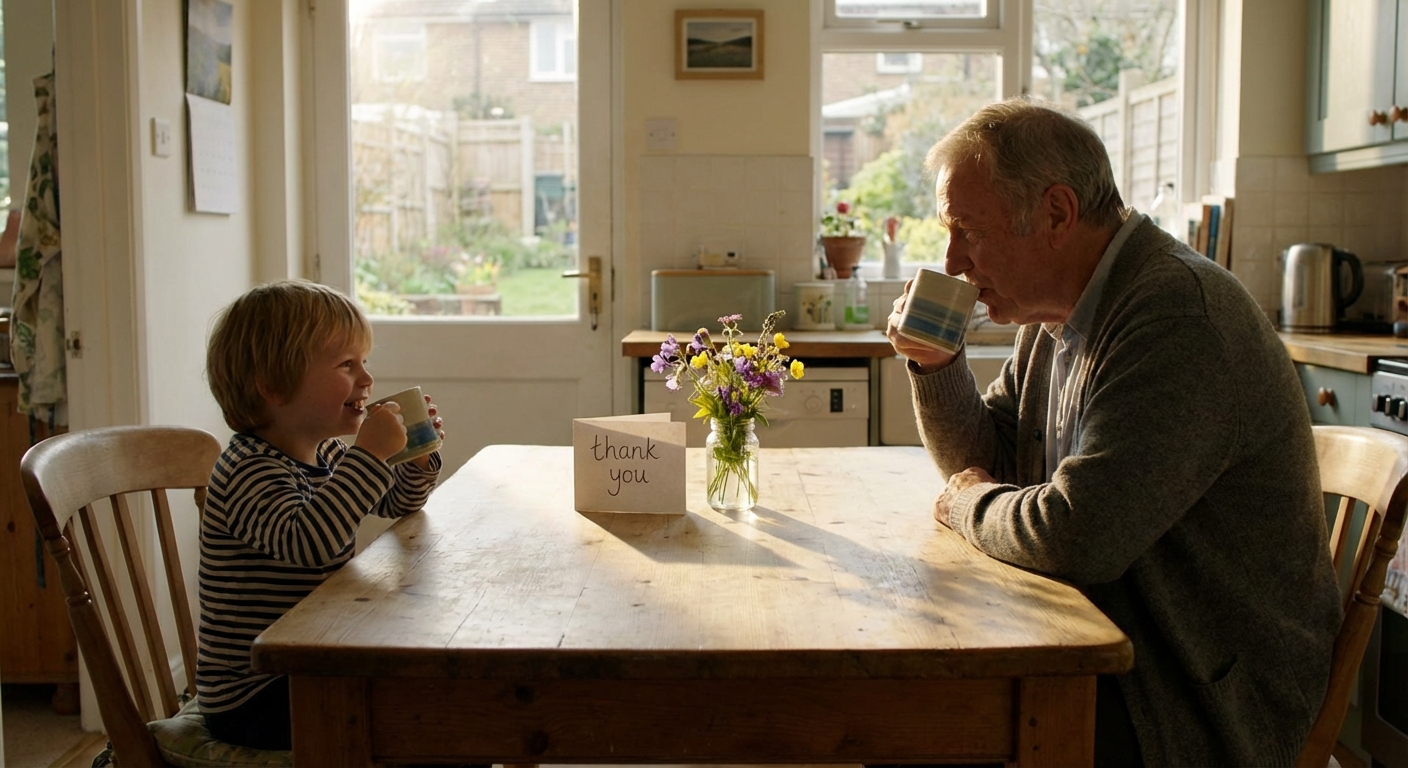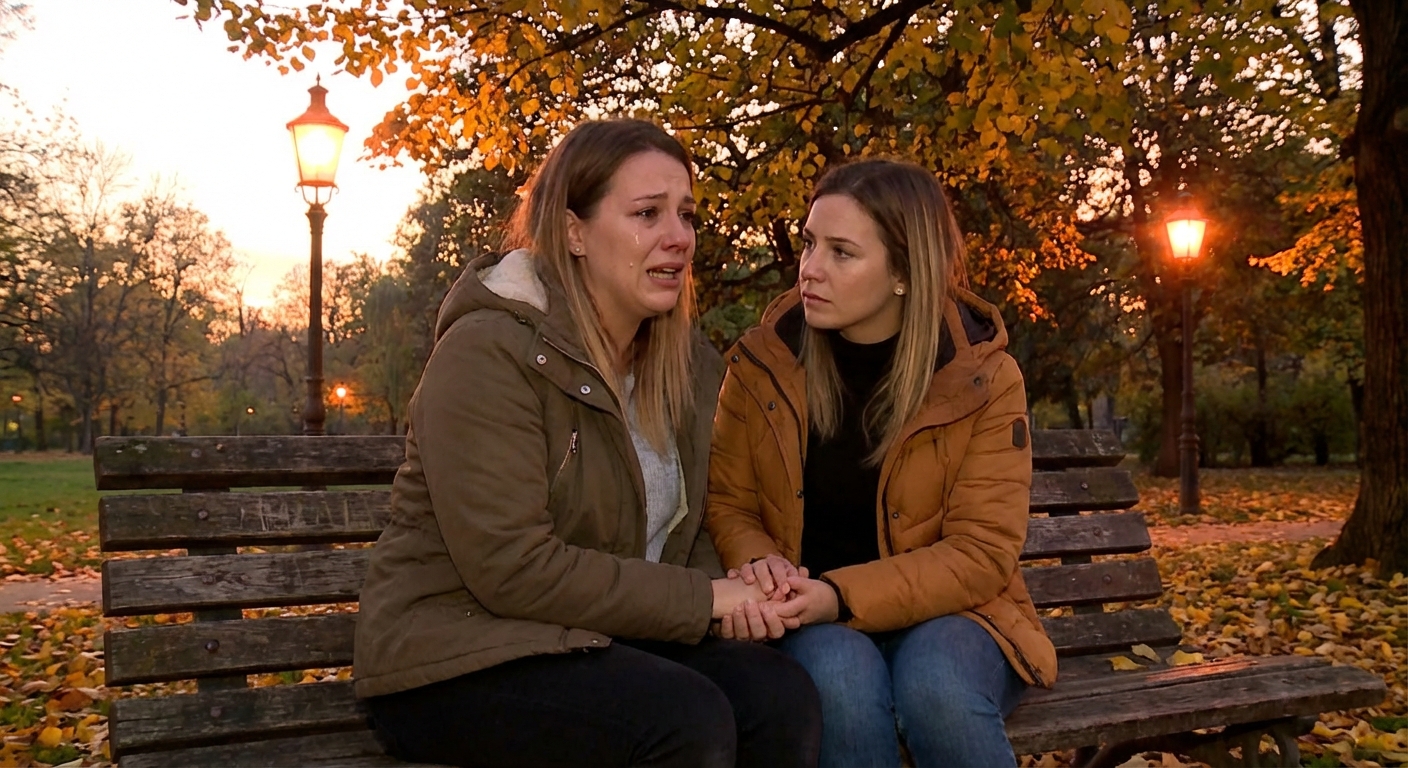
You may have heard messages like “Just be grateful” or “Others have it worse.” Even when well-meant, these phrases can make gratitude feel like an obligation rather than a refuge. For mindfulness practitioners, it’s important to distinguish between performing gratitude and experiencing gratitude.
When Gratitude Starts to Feel Like Pressure
Performing gratitude is often about meeting an expectation—your own or someone else’s. Experiencing gratitude is quieter. It arises naturally when we gently notice the ways life supports us, even imperfectly.
This article offers a step-by-step approach to transforming gratitude from something you feel you “should” do into a personal oasis of steadiness and nourishment.
Step 1: Redefine Gratitude in Your Own Words
Before you adjust your practice, you might begin by rewriting the definition of gratitude so it fits you.
Take a moment and complete one or more of these sentences in your own mind or journal:
- “Gratitude feels like…”
- “Gratitude, at its gentlest, might be…”
- “I’m curious whether gratitude could help me…”
There is no right answer. Your definition might include words like warmth, relief, connection, or simply a brief break from worry. Allow it to be personal and realistic.
By framing gratitude as a possibility rather than a rule, you open space for a more authentic relationship with it.
Step 2: Reduce the Size of the Practice
One reason gratitude can feel overwhelming is that we imagine it needs to be large: long lists, dramatic realizations, or deep emotional shifts. Mindfulness invites us to start much smaller.
Instead of asking, “What am I grateful for in my whole life?” you might gently ask:
- “What, in the last hour, was even slightly helpful?”
- “What, right now, is not actively hurting?”
- “Is there one thing in this room that makes my experience 1% easier?”
Examples might include a chair that supports your weight, the warmth of clothing against your skin, or even the reliability of a clock.
These small recognitions might not feel profound. That’s okay. Like brief sips of water during a long walk, they quietly sustain you.
Step 3: Pair Gratitude with Self-Compassion
Gratitude deepens when it is accompanied by kindness toward ourselves. Without self-compassion, gratitude can easily become a tool for self-criticism:
- “I should be more grateful.”
- “Why can’t I appreciate what I have?”
- “If I were more spiritual, this wouldn’t feel so hard.”
To soften this, practice pairing every moment of gratitude with a phrase of compassion.
A Simple Pairing Practice
- Name a small thing you appreciate.
For example: “I’m grateful for this quiet moment.”
Immediately follow it with a compassionate phrase:
- “And it’s okay that I still feel tired.” - “And I don’t have to feel grateful all the time.” - “And I’m doing the best I can today.”
This pairing tells your nervous system: I can appreciate what’s here without denying my real feelings.
Studies on self-compassion suggest that treating ourselves with the same understanding we offer a friend can lower anxiety, decrease shame, and increase emotional resilience. Combined with gratitude, this creates a gentle, stable base.
Step 4: Make Gratitude Concrete and Sensory
Gratitude becomes more nourishing when it involves the senses, not just thoughts.
Instead of writing, “I’m grateful for my morning tea,” you might slow down and actually experience it:
- Notice the warmth of the mug in your hands.
- Breathe in the scent before taking a sip.
- Feel the liquid on your tongue and the warmth traveling down your throat.
After a sip, you might quietly say, “This feels good,” or “I’m glad for this moment.”
This sensory approach engages the body’s calming systems. You are not just thinking about gratitude—you are living it, even for a few seconds.
A 2-Minute Sensory Gratitude Ritual
Choose something you interact with daily: water, sunlight through a window, the feel of your pillow at night.
- Pause and focus on the item for one full minute. Notice color, texture, temperature, sound, and movement.
- Silently acknowledge: “My life is easier because this is here.”
- Rest for a few breaths in that simple recognition.
There is no need to force an emotion. The practice is simply noticing and acknowledging.
Step 5: Let Gratitude Flow in Both Directions
We often think of gratitude as something we feel or express toward what we receive. But there is another dimension: allowing ourselves to be the source of gratitude in someone else’s life.
Recognizing your own generosity can be a powerful and healing form of appreciation—especially if you tend to downplay your contributions.
A Brief Reflection on Your Own Giving
Take a moment and consider:
- Someone you encouraged or supported recently, even in a small way
- A task you complete regularly that benefits others (cooking, caregiving, showing up at work, listening)
- A way you try to make your environment kinder or more orderly
Ask gently:
“Where might someone quietly be grateful for me, even if they never say it out loud?”
This is not about inflating the ego, but about balancing the tendency to overlook our impact. You might even offer yourself a simple phrase:
- “I’m grateful for the ways I keep showing up.”
- “I appreciate the care I offer, even when it goes unseen.”
Emerging research on self-appreciation suggests that recognizing our own efforts can reduce burnout and support a sense of meaning.
Step 6: Create a Personal Gratitude “Oasis Moment”
An oasis is a place of rest and replenishment. You can design a tiny daily ritual that feels like that—something you look forward to, rather than a task to complete.
Here is a gentle framework you can adapt:
- Choose a time anchor.
Link your practice to something you already do: morning coffee, lunch break, or getting into bed.
- Choose a location.
It might be a specific chair, a corner of your room, or even just a particular posture—like placing a hand over your heart.
- Choose a simple structure.
For example:
- One breath for the body
- One breath for someone who supports you
- One breath for something in your surroundings
- Keep it brief and kind.
One to three minutes is plenty. If you miss a day, gently start again when you remember, without self-criticism.
Over time, this oasis moment can become a pocket of steadiness in your day—a place where gratitude and self-compassion meet.
Step 7: Allow Seasons of Gratitude and Seasons of Rest
Just as nature moves through seasons, your inner life will too. There may be times when gratitude feels abundant and easy, and other times when it feels far away.
During a season of difficulty, your practice might shift from active gratitude to simple receptivity:
- Noticing when someone holds the door for you
- Accepting help without apologizing for needing it
- Allowing beauty—a patch of sky, a line of music—to touch you, even briefly
You might not label these moments as gratitude, but they are seeds. When conditions are right, they will quietly grow.
Letting Gratitude Become a Place You Can Return To
As you experiment with these steps—redefining gratitude, shrinking the practice, pairing it with compassion, making it sensory, honoring your own giving, creating an oasis, and allowing seasonal shifts—you may begin to notice a change.
Gratitude stops feeling like an obligation you have to meet and starts to feel more like a gentle place you can return to whenever you’re ready.
It doesn’t need to be grand. It doesn’t need to be constant. It only needs to be real.
And in the quiet moments when you can sincerely say, “This helps,” or “I’m glad this is here,” you are already resting in the heart of the practice.