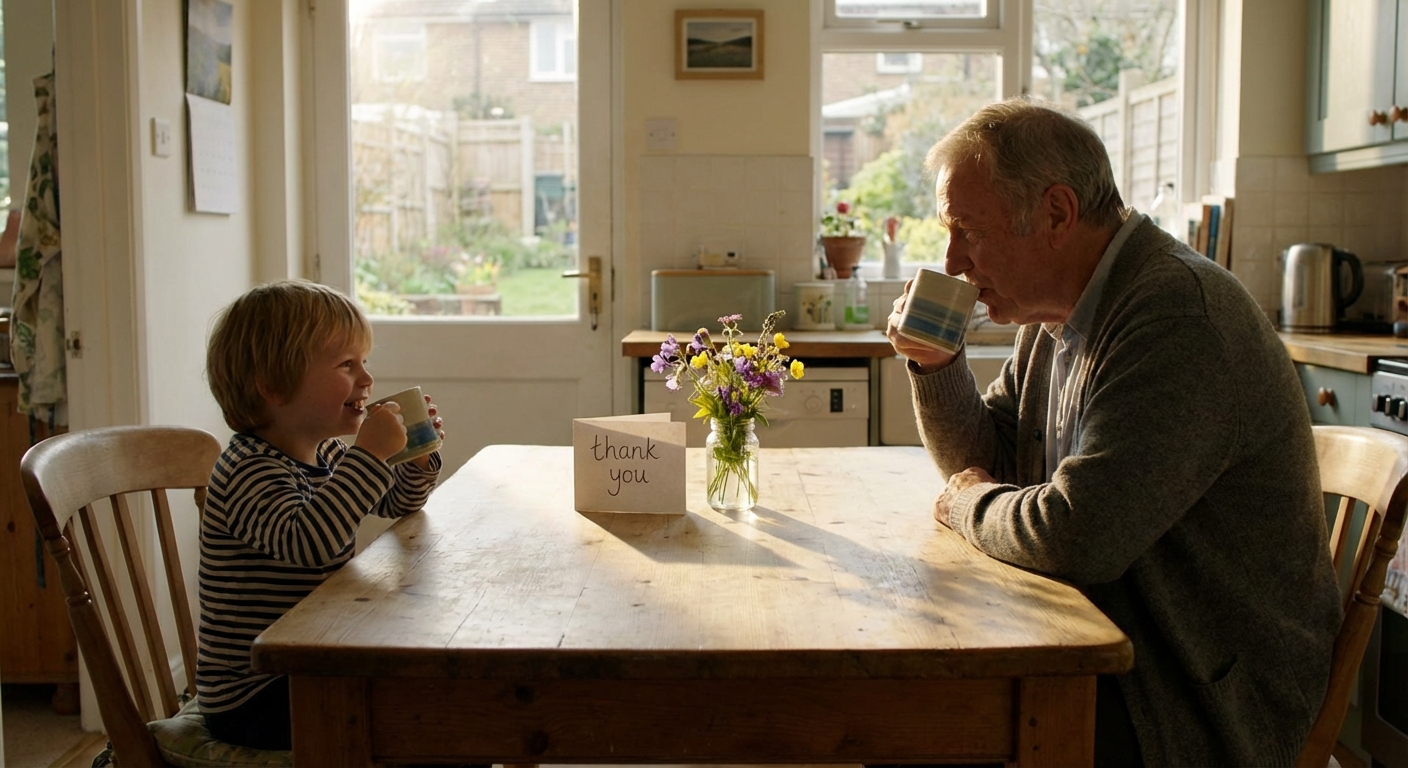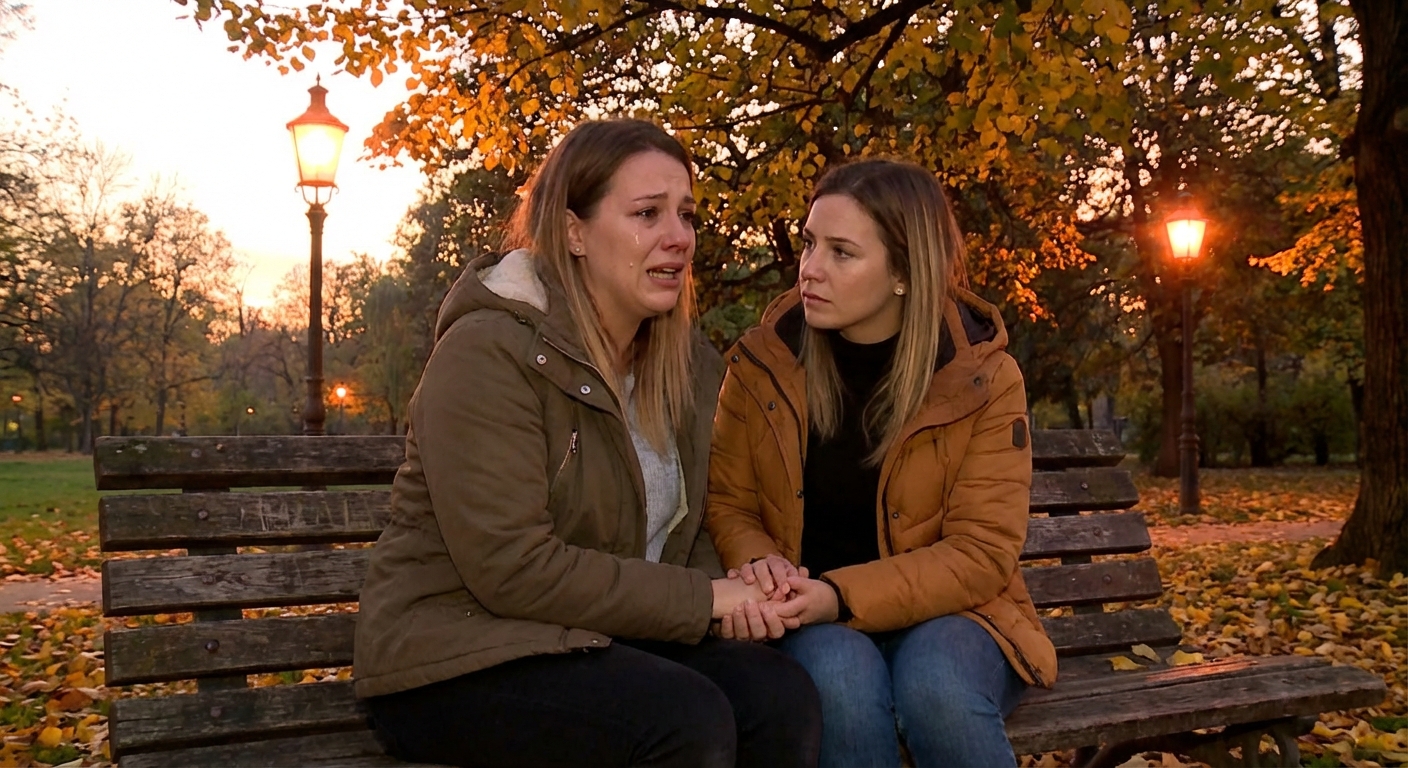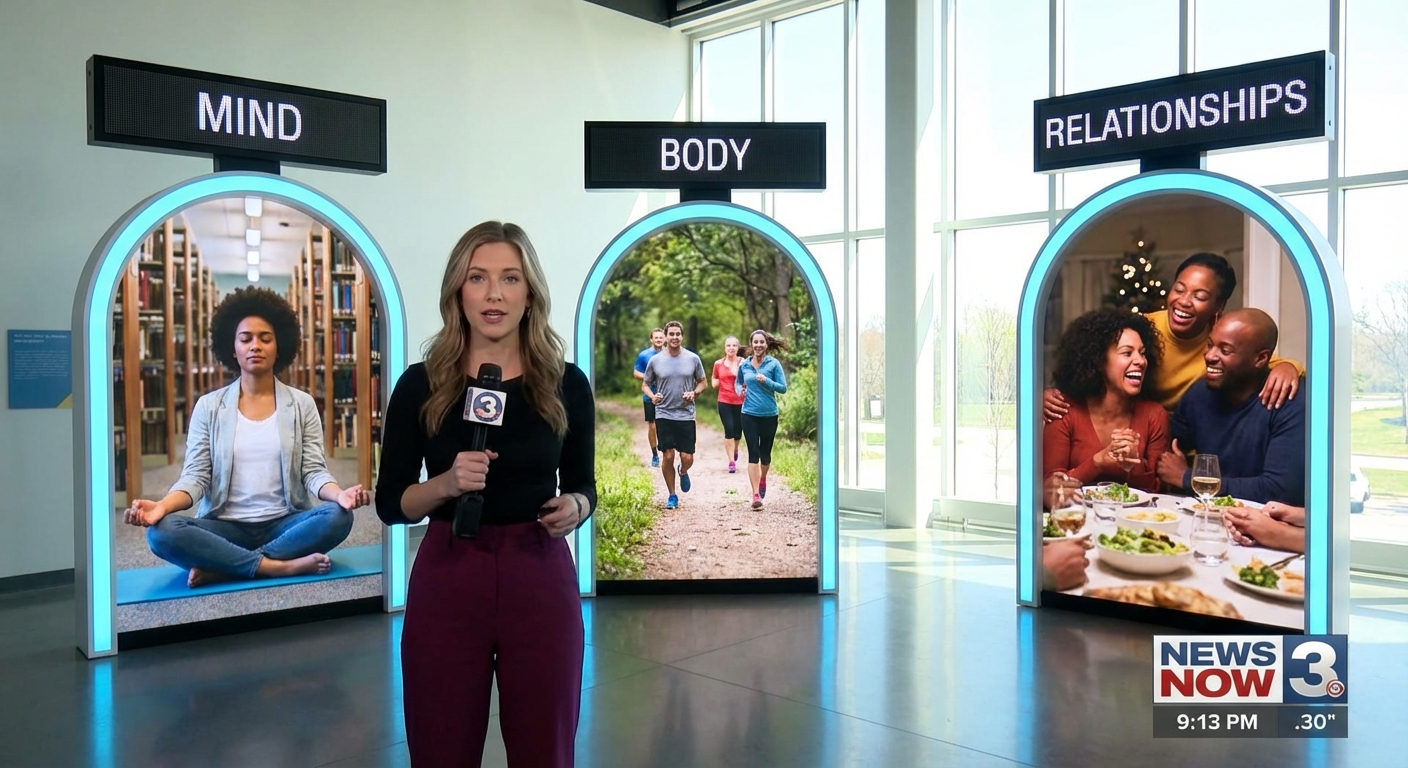
Gratitude is often taught as a simple list-making exercise, but our experience of appreciation is more layered than that. Depending on your temperament, current life circumstances, and even the time of day, different “doors” to gratitude may feel more open or more accessible.
Entering Gratitude Through Different Doors
For mindfulness practitioners, this flexibility is important. Rather than asking yourself to feel grateful in a single prescribed way, you can experiment gently with multiple pathways: the mind, the body, and your relationships.
You do not have to walk through all three at once. On some days, one door may open more easily than the others. That is perfectly okay.
Door One: Gratitude of the Mind
Gratitude of the mind involves how we frame and interpret our experiences. It is the quiet skill of noticing not only what is missing, but also what is present and helpful.
How the Mind Naturally Leans
Our brains are wired with a “negativity bias”—a tendency to pay more attention to threats, problems, and disappointments. This was essential for survival in the past, but it can make modern life feel heavier than it needs to.
Gratitude practices help balance this bias. They do not erase difficulty; instead, they gently invite the mind to include what is steady, kind, or supportive in the picture.
A 5-Minute Thought-Based Practice
Try this in the morning or early evening:
- Sit comfortably. Allow your eyes to close or soften your gaze.
- Recall one challenge you are currently facing—something real, but not overwhelming to think about.
Name it clearly in your mind:
“I am dealing with…” and complete the sentence.
Now ask:
“What, if anything, is helping me hold this challenge?” Examples might include: a supportive friend, access to information, your own persistence, a therapist, a spiritual practice, or simple rest. 5. Choose one source of support and spend a minute or two reflecting on it. - What form does this support take? - How does it ease your burden, even slightly? - What would your situation be like without it?
Offer a phrase of appreciation:
- “I’m thankful this is here for me.” - “I appreciate this steady presence in my life.” - “I’m glad I don’t have to face this completely alone.”
This is gratitude of the mind: gently reframing the story from “only difficulty” to “difficulty, held by some support.”
Door Two: Gratitude of the Body
The body carries so much—memories, emotions, fatigue, and also quiet resilience. Gratitude of the body is not about ignoring pain or pushing past limitations. Instead, it is about recognizing the ways your body continues to show up for you, even imperfectly.
Why the Body Matters in Gratitude
Studies show that bringing kind attention to the body can calm the nervous system, decreasing stress hormones and increasing feelings of safety. When we pair this with appreciation, we create an environment inside ourselves that supports healing and regulation.
A Gentle Somatic Gratitude Practice
You can do this seated or lying down. If you experience chronic pain, please adapt as needed and skip any area that feels tender or triggering.
- Place one hand on your chest and one on your belly.
Feel the natural rise and fall of your breath.
- Choose one part of your body to focus on—perhaps your hands, feet, or lungs. Pick an area that feels at least neutral.
- Bring awareness there for a few breaths. Notice temperature, contact with clothing or air, any subtle movement.
Offer a specific appreciation, such as:
- “Thank you, hands, for everything you touch and carry.” - “Thank you, feet, for supporting my weight all day.” - “Thank you, lungs, for each breath, whether I notice you or not.”
If resistance arises, acknowledge it:
“It’s hard to feel grateful for my body right now. That’s understandable.” See if you can appreciate even your awareness of this resistance—proof that you are listening carefully to yourself.
This practice can be very brief. Even one mindful breath of appreciation toward your body is enough.
Door Three: Gratitude in Relationships
Gratitude also lives in the space between us. It appears in moments of connection, kindness, repair, and shared experience.
You may notice that your mind often remembers painful interactions more vividly than supportive ones. This, again, is part of the brain’s bias. Conscious appreciation of relational support helps rebalance your sense of connection and belonging.
Science of Relational Gratitude
Research suggests that expressing gratitude to others can:
- Increase relationship satisfaction and trust
- Encourage ongoing kindness and generosity
- Help both people feel more seen and valued
This doesn’t require grand gestures or elaborate speeches. Simple, sincere expressions can be deeply nourishing.
A Simple Relational Gratitude Practice
Choose one person in your life today. They do not need to be your closest friend—perhaps a coworker, neighbor, or someone from your community.
- Pause and reflect for a minute on how this person impacts your life.
- What small ways do they make things easier or lighter?
- What qualities do you quietly admire in them?
- Choose one specific thing you appreciate—not “you’re great,” but something concrete.
- If it feels safe, express it. This might be through a message, a note, or a few spoken words.
You could say:
- “I really appreciate how you always take time to listen when things are hectic.”
- “Thank you for your steady presence—it makes a difference.”
- “I’m grateful for your sense of humor; it brightens my day.”
- Notice how it feels in your own body to offer this appreciation. You may sense warmth, vulnerability, or even nervousness. All of this is part of the practice.
If expressing gratitude directly is difficult right now, you can still do this as an internal meditation—offering silent thanks without needing any response.
When One Door Is Closed, Try Another
On some days, mental gratitude may feel accessible—you can see the bigger picture, understand your support systems, and reframe your experiences.
On other days, the mind may feel crowded, and you might find it easier to simply rest your hands on your chest and breathe with gratitude for your beating heart.
Still other days, you may feel most nourished by recognizing the kindness of others, or offering a sincere thank you that opens a new sense of connection.
You are not required to use all three doors. Having options simply means you have more chances to meet gratitude in a way that feels honest.
Integrating the Three Doors into Daily Life
Here is a simple way to weave these approaches into a single day, without adding much time:
- Morning (Mind): While brushing your teeth or making coffee, name one way you are supported in facing the day—a skill, a resource, a person, or a practice.
- Midday (Body): Pause once to notice your body. Place a hand somewhere that feels okay and offer one sentence of thanks.
- Evening (Relationships): Before bed, think of one person you encountered today, even briefly, and silently appreciate something about them.
If you forget, that’s alright. Noticing you forgot can itself be a moment of awareness and an opportunity to be kind to yourself.
Allowing Gratitude to Be Real, Not Perfect
Gratitude does not need to be constant or pure to be meaningful. It will naturally ebb and flow, just like your breath or your moods.
On days when it feels far away, you might simply remember: there are many doors into gratitude. You are allowed to choose the one that feels gentlest, or to rest on the threshold without entering at all.
Over time, this flexible, compassionate approach can make gratitude feel less like an obligation and more like an old friend—someone you can visit when you’re ready, knowing they will greet you exactly as you are.