Gratitude is often portrayed as a bright, joyful emotion, but for many people it begins as something quieter: a soft strength that slowly reshapes how we see ourselves and our lives.
Meeting Gratitude as a Soft Strength
For mindfulness practitioners, gratitude is not about pretending everything is perfect. It is about learning to recognize moments of support, beauty, and kindness, even in the midst of challenge. This gentle shift of attention can calm the nervous system, soften inner criticism, and reconnect us to what nourishes us.
In this article, we will explore gratitude as a companion on the path of awareness—something you can approach with tenderness, honesty, and no pressure to “feel grateful” all the time.
What Gratitude Really Is (and Isn’t)
Many of us learned a narrow definition of gratitude: saying “thank you” when something good happens. While this is part of it, the practice of gratitude in mindfulness goes deeper.
Gratitude is:
- A deliberate turning of attention toward what supports you, sustains you, or touches you
- A recognition of interconnection—how your life is quietly held by people, places, and conditions you may never see
- A way of befriending the present moment, just as it is, without pushing away difficulty
Gratitude is not:
- Forcing yourself to be “positive” when you are in pain
- Ignoring injustice, trauma, or struggle
- Comparing your suffering to someone else’s and deciding you “shouldn’t” feel what you feel
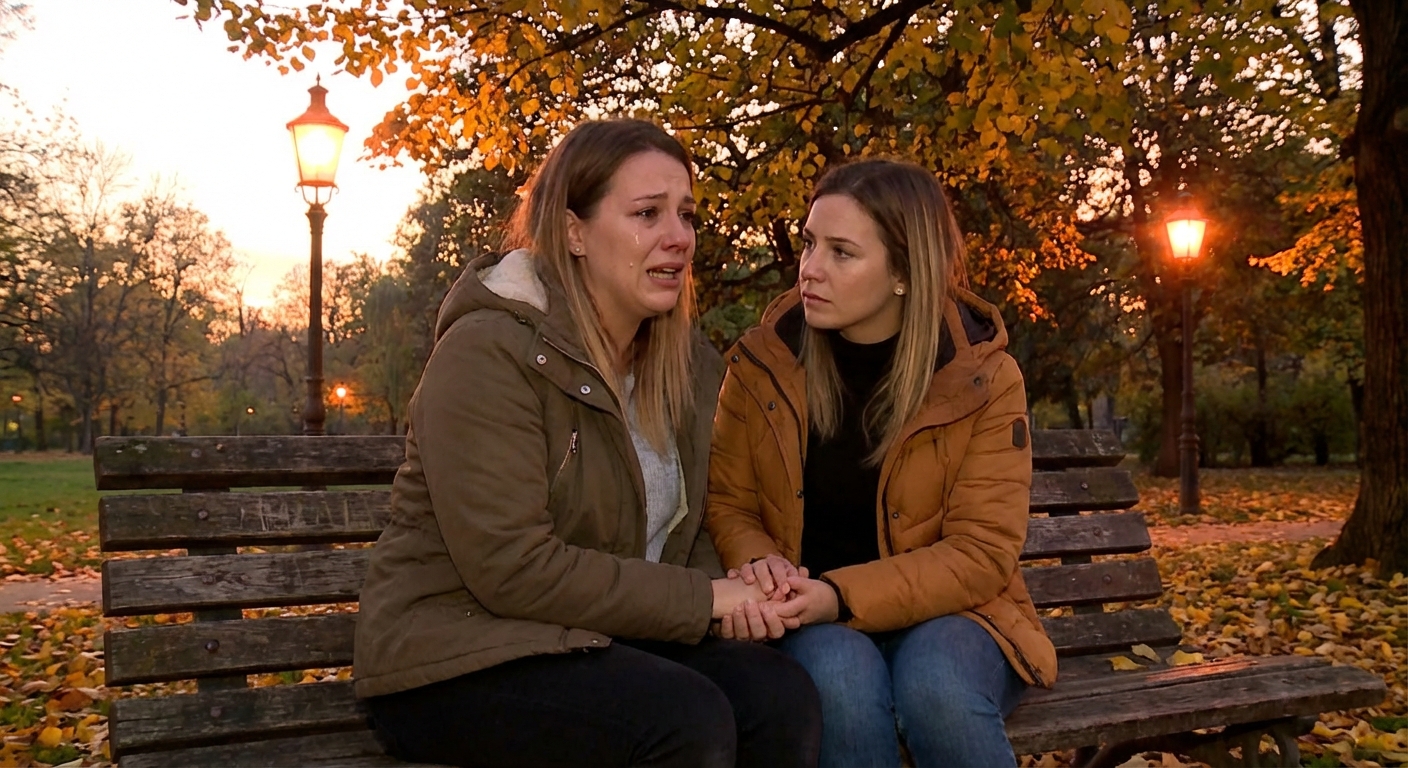
Instead, gratitude can sit beside grief, frustration, or anxiety. You are allowed to say, “This is hard—and also, there is still something here I can appreciate.” Both truths can be held at the same time.
How Gratitude Supports the Mind and Body
Gratitude is more than a comforting idea; it has measurable effects on the brain and body.
Research over the past two decades suggests that gratitude practices can:
- Reduce stress and anxiety: Studies using brain imaging show that reflecting on gratitude activates regions linked with emotion regulation and reward, and can reduce activity in stress-related areas.
- Improve sleep quality: Writing a brief gratitude list before bed has been associated with falling asleep more easily and experiencing more restful sleep.
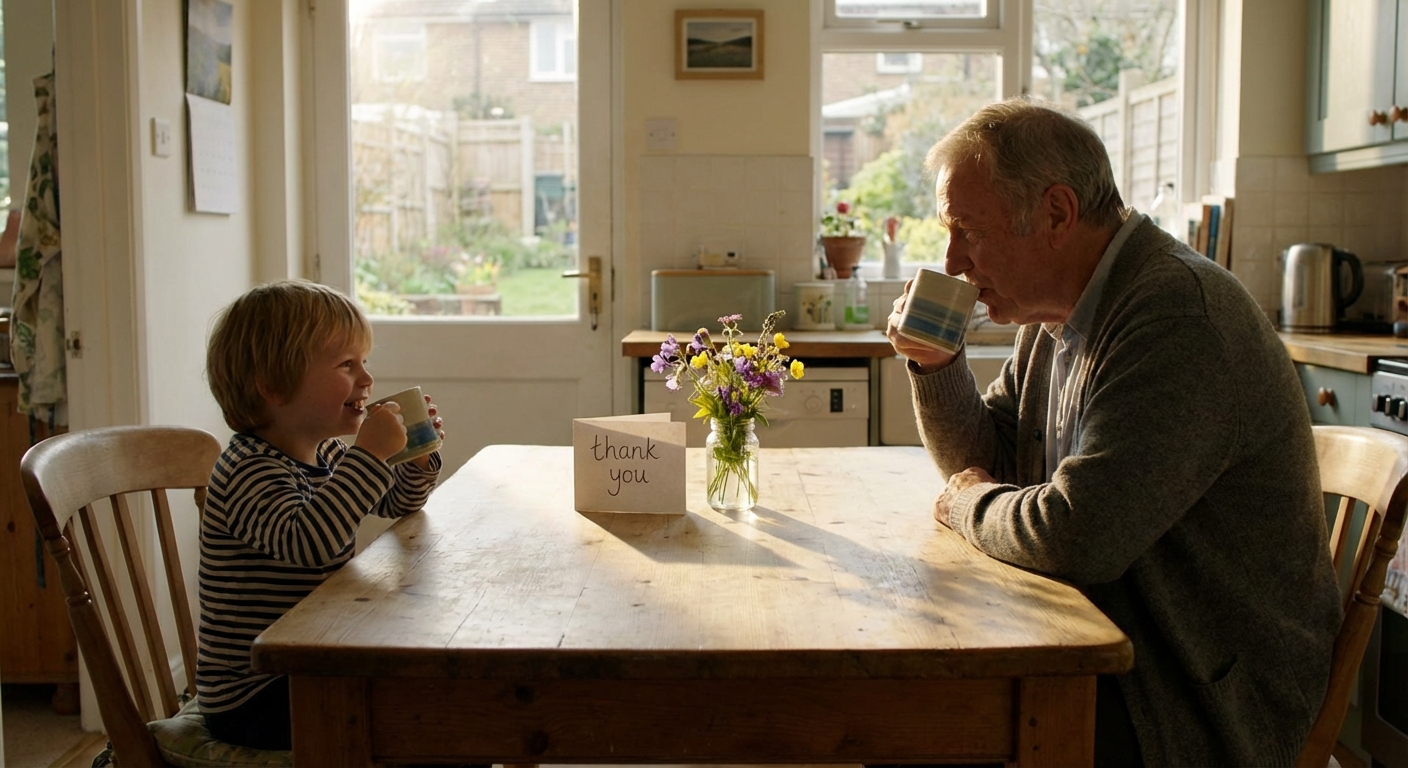
- Strengthen relationships: Expressing sincere appreciation builds trust, increases feelings of connection, and can ease tension during conflict.
- Support resilience: People who regularly cultivate gratitude often report greater ability to cope with difficult events and to recover more quickly.
These benefits do not require elaborate rituals. Even small, consistent practices—30 seconds here and there—can gently reshape mental habits over time.
A No-Pressure Approach: Gratitude with Honesty
Sometimes gratitude practices can feel hollow, especially during painful or overwhelming times. It is important to approach gratitude with honesty and kindness.
Consider these guidelines:
- Start where you are. If you are struggling, you might simply acknowledge, “Right now, gratitude feels far away—and I can be gentle with myself about that.” This honesty is already a mindful step.
- Keep it small. You do not need to feel grateful for your entire life. You might notice one sip of warm tea, one supportive message, one breath.
- Release the word, keep the feeling. If the word gratitude feels loaded, you might use “appreciation,” “noticing what helps,” or “recognizing what’s here for me.”
- Allow mixed feelings. You can feel both grateful for a relationship and tired by its complexity, both appreciative of a job and weary from its demands.
You never have to perform gratitude. The practice is for you, not for anyone else.
A 3-Breath Gratitude Pause (Under 1 Minute)
This brief practice can be done anywhere—between meetings, before opening your email, or while standing in line.
First breath – Arriving
- Inhale naturally, noticing the sensation of the breath entering the body. - Exhale, feeling the weight of your body where it is supported—chair, floor, ground.
Second breath – Noticing support
- Inhale and gently ask, “What is quietly supporting me in this moment?” - As you exhale, allow one small thing to come to mind: the stability of the floor, your heartbeat, clean water, the device allowing you to read these words.
Third breath – Soft appreciation
- Inhale and sense into that one source of support. - Exhale and silently offer a simple phrase such as, “Thank you,” or “I appreciate this,” or “I see you.”
No need to feel anything special. The practice is simply the act of gently turning your attention.
Evening Gratitude Reflection (5–10 Minutes)
If it feels accessible, choose one day this week to try this slightly longer reflection.
- Create a small ritual.
- Sit or lie down comfortably. You might dim the lights, light a candle, or simply close your eyes.
- Recall the day.
- Let your mind slowly move through the day, from morning to evening, without rushing. Notice moments that stand out.
- Choose three small things.
- They might be simple: the feel of warm water on your hands, a kind look from a stranger, a song that moved you.
- Rest with each one.
- For each moment, spend a few breaths remembering it in detail—the colors, sounds, sensations, emotions.
- Silently offer a phrase, such as:
- “I’m glad this happened.”
- “This helped me.”
- “This nourished me in some way.”
- End with the body.
- Notice how your body feels now. No need to change anything—just feel. This helps anchor the practice so it becomes a lived experience, not just a thought exercise.
When Gratitude Feels Out of Reach
There may be days, or entire seasons, when gratitude practices feel inaccessible or even irritating. This is normal, especially in times of grief, burnout, or depression.
In those moments, you might instead practice gentle permission:
- “Right now, I cannot find anything to feel grateful for, and that’s okay.”
- “I am doing the best I can with what I have.”
- “I am open to the possibility that small moments of support might be here, even if I can’t see them yet.”
Remember that gratitude is not a requirement for healing or for being “good” at mindfulness. It is an invitation, not a demand.
Integrating Gratitude into Mindfulness Practice
If you already have a meditation or yoga practice, you can gently weave gratitude into what you’re doing, rather than adding yet another task.
Here are a few possibilities:
- At the start of practice: Place a hand on your heart or belly and acknowledge something that made it possible for you to practice today—time, energy, support from others.
- During movement: In yoga or walking meditation, occasionally notice one body part and offer appreciation: “Thank you, feet, for carrying me.” “Thank you, back, for holding me up.” Even if there is pain or limitation, appreciation can coexist with it.
- At the end of practice: Before standing up, name one benefit you received from practicing—even if small: a slightly calmer mind, one deeper breath, a moment of stillness.
These subtle acts of recognition gradually cultivate an inner climate of kindness.
Letting Gratitude Unfold Naturally
Gratitude is not a finish line to reach. It is more like sunlight slowly entering a room—sometimes bright, sometimes faint, always changing.
As you continue your mindfulness journey, you might simply keep this question nearby:
“What in this moment is quietly supporting my life?”
You do not need to answer perfectly. It is enough to gently look.
Over time, you may find that gratitude becomes less of a practice you “do” and more of a way you inhabit your life: awake to small kindnesses, aware of unseen support, and tender with yourself when appreciation feels distant.
This is the soft strength of gratitude—a strength that meets you exactly where you are, and walks with you at your own pace.