It can be confusing: we are encouraged to “focus on the positive,” “count our blessings,” and “stay grateful,” even when we’re struggling. Sometimes these suggestions genuinely help. Other times, they feel like a dismissal of real pain.
Telling the Difference Between Healing Gratitude and Harmful Positivity
For mindfulness practitioners, it’s especially important to understand the difference between genuine gratitude and toxic positivity—so that your practice supports your wholeness rather than silencing parts of you that need care.
This article offers a gentle comparison, along with practices to cultivate gratitude that honors your full experience.
What Is Toxic Positivity?
Toxic positivity is the insistence on a cheerful or optimistic outlook regardless of the circumstances. It often:
- Dismisses or minimizes painful emotions
- Uses phrases like “just look on the bright side” as a way to avoid discomfort
- Suggests that negative feelings are a personal failure or a sign of weak spirituality
Examples might include:
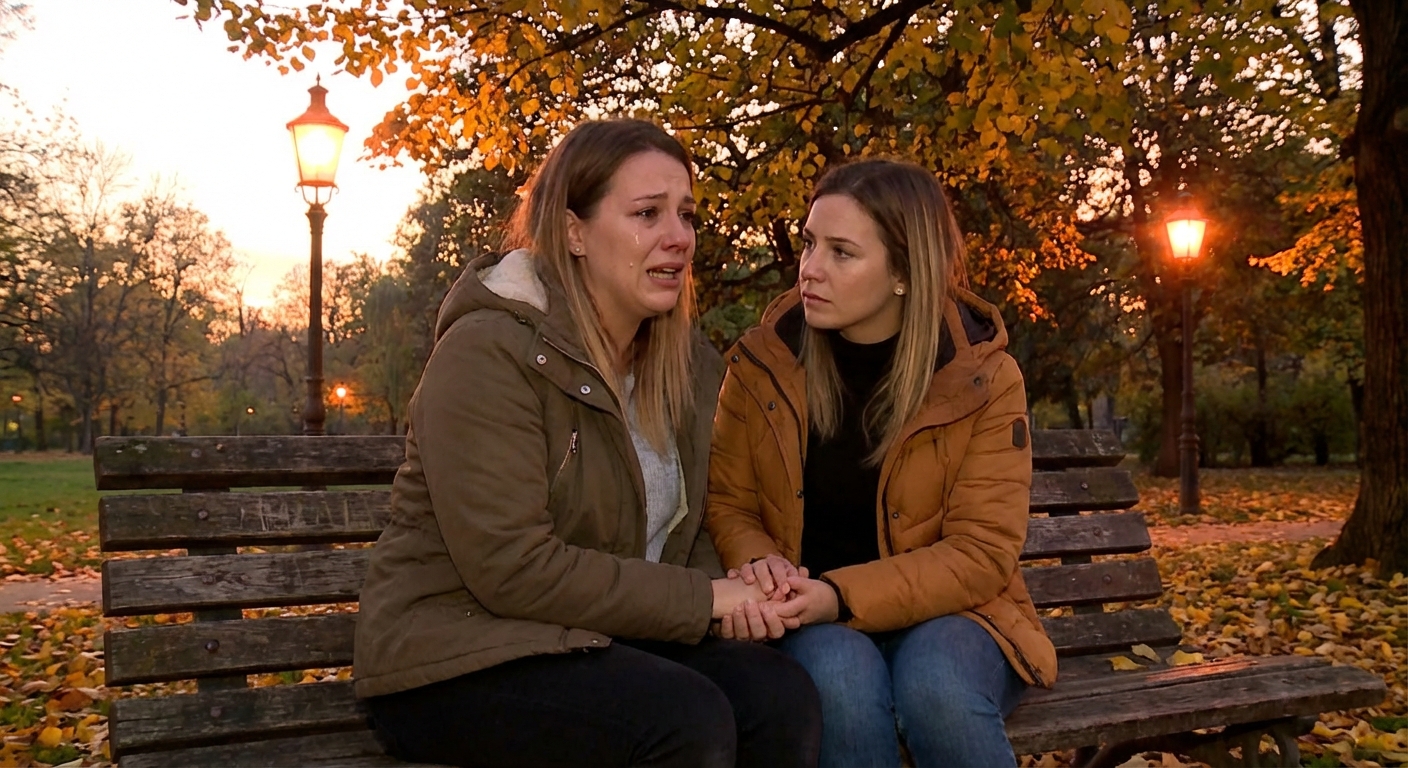
- Telling someone in grief, “At least you had so many good years together.”
- Responding to burnout with, “Just be grateful you have a job.”
- Criticizing yourself for feeling sad: “I should be more thankful; I have nothing to complain about.”
Over time, this approach can increase shame and loneliness. Pain doesn’t disappear just because we refuse to look at it; it simply goes underground.
What Is Genuine Gratitude?
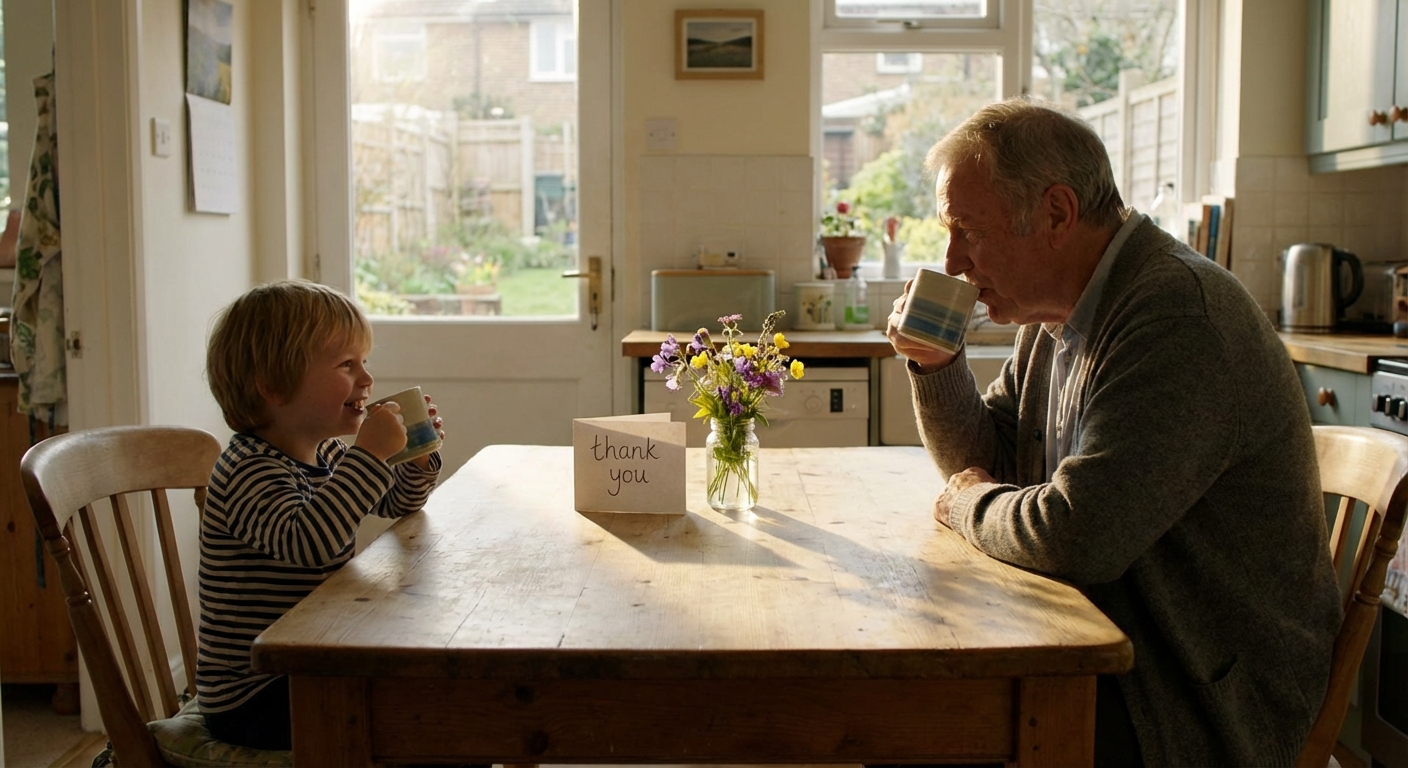
Genuine gratitude is spacious enough to include your whole experience. Rather than erasing difficulty, it sits alongside it.
You might think of gratitude as a candle in a dark room, not a switch that floods the space with harsh light. The candle doesn’t eliminate the darkness; it offers enough warmth and visibility to take the next step.
Genuine gratitude:
- Acknowledges pain, stress, or loss as real and valid
- Notices sources of support, comfort, or meaning without denying difficulty
- Comes from choice, not obligation
From a scientific perspective, authentic gratitude has been linked with improved emotional regulation, lower levels of depression, and better sleep quality. But these benefits appear most clearly when gratitude practices feel sincere, not forced.
A Gentle Comparison: Gratitude vs. Toxic Positivity
Below is a simple, compassionate comparison to help you sense when your practice is supporting you and when it might be slipping into pressure.
| Aspect | Genuine Gratitude | Toxic Positivity |
|---|---|---|
| Relationship to Pain | Allows pain, holds it with care | Rejects or denies pain as unacceptable |
| Emotional Range | Welcomes mixed feelings | Demands only “good vibes” |
| Inner Voice | Curious, warm, understanding | Judgmental, dismissive, impatient |
| Motivation | Chosen for nourishment | Enforced as a rule or identity |
| Effect on You | Increases calm, connection, and honesty | Increases shame, disconnection, and pretense |
You can use this table not as a rigid rulebook, but as a gentle check-in: “Is my gratitude practice making more room for my truth, or less?”
Practice 1: The “And” Technique for Honest Gratitude
One simple way to avoid toxic positivity while still cultivating gratitude is to practice using the word “and” instead of “but.”
Notice the difference:
- Toxic style: “I’m exhausted, but I should be grateful I have work.”
- Honest style: “I’m exhausted, and I can also appreciate having work.”
The word “but” often erases what comes before it. The word “and” allows both realities to coexist.
Try This Short Reflection
- Think of a current difficulty. Complete this sentence:
“Right now, I feel…” and name your emotion (tired, sad, overwhelmed, numb, uncertain).
- Place one hand on your heart, or somewhere on your body that feels safe.
- Repeat the full statement slowly, noticing how it feels in your body.
Add a second sentence that begins with “And…” For example:
- “And I notice that I am still breathing.” - “And there is someone I can message if I need support.” - “And I have gotten through hard things before.”
You are not replacing your difficulty; you are gently widening the lens to include what sustains you.
Practice 2: Validating First, Then Appreciating
Our nervous systems tend to relax when we feel understood—even if that understanding comes from ourselves.
Before moving into gratitude, try offering validation:
Name your feeling clearly:
- “I feel anxious.” - “I feel lonely.” - “I feel numb and disconnected.”
Acknowledge that it makes sense:
- “Of course I feel this way, given what’s happening.” - “Anyone in my situation might feel something similar.”
Offer a short, kind phrase:
- “May I be gentle with myself in this.” - “I’m doing the best I can right now.”
Only after this validation, ask a quiet question:
“Is there anything, however small, that is helping me today?”
You are not obligated to find an answer. Simply creating space for the question is a step toward honest gratitude.
Practice 3: A Balanced Gratitude Journal (Two Columns)
Traditional gratitude journals focus only on what went well. This can be helpful, but for some people, especially during intense times, it feels incomplete.
Try a two-column approach:
- In the left column, write “What Was Hard Today”
- In the right column, write “What Helped (Even a Little)”
For example:
| What Was Hard Today | What Helped (Even a Little) |
|---|---|
| Felt overwhelmed by tasks | A friend sent a short, kind message |
| Body pain after sitting | Warm shower eased some tension |
| Worry about the future | Ten minutes of breathing practice before bed |
This structure reassures your mind that you are not ignoring your challenges. You are simply also acknowledging your resources.
Research on expressive writing suggests that honestly naming difficulty can reduce stress and support emotional processing. Pairing it with gratitude for what helps offers a grounded sense of resilience.
Practice 4: Body-Based Gratitude for Safety and Comfort
Toxic positivity often centers on thoughts—trying to control or replace them. In contrast, body-based gratitude gently involves your senses.
Try this 3-minute practice when you need grounding:
- Notice three points of contact where your body is supported: your feet on the ground, your back against a chair, your hands resting in your lap.
For each point, silently say:
- “Thank you, ground, for holding my weight.” - “Thank you, chair, for supporting my back.” - “Thank you, breath, for moving in and out.”
If saying “thank you” feels awkward, you might instead use:
- “I notice this support.” - “This is here for me right now.”
This simple shift from problem-solving to sensing can calm your nervous system and invite a gentle sense of ease.
When Gratitude Feels Impossible
There will be times when no gratitude practice—however gentle—feels accessible. Grief, trauma, and deep depression can narrow the field of experience in a way that makes appreciation feel far away.
In such moments, your primary practice might not be gratitude at all. It may be:
- Reaching out for professional support
- Allowing yourself to rest more
- Practicing very simple awareness of sensations, like feeling your feet on the floor
- Repeating compassionate phrases such as, “May I get through this,” or “May I find some support.”
You are not failing at mindfulness if gratitude is out of reach. Sometimes, the kindest thing you can do is simply not to force it.
If it helps, you might hold a quiet intention:
“When it’s possible again, may I gently reconnect with gratitude.”
This intention is more than enough.
Letting Gratitude Be a Light, Not a Mask
As you move forward, you might keep asking:
- “Does this way of practicing gratitude help me be more honest with myself?”
- “Does it allow more breathing room inside, or less?”
When gratitude is genuine, it acts like a soft light, illuminating both the tender and the beautiful aspects of your life. It does not ask you to hide any part of yourself.
In this way, gratitude becomes an ally of truth, not an enemy of it—a practice that lets you hold sorrow and appreciation in the same gentle hands.