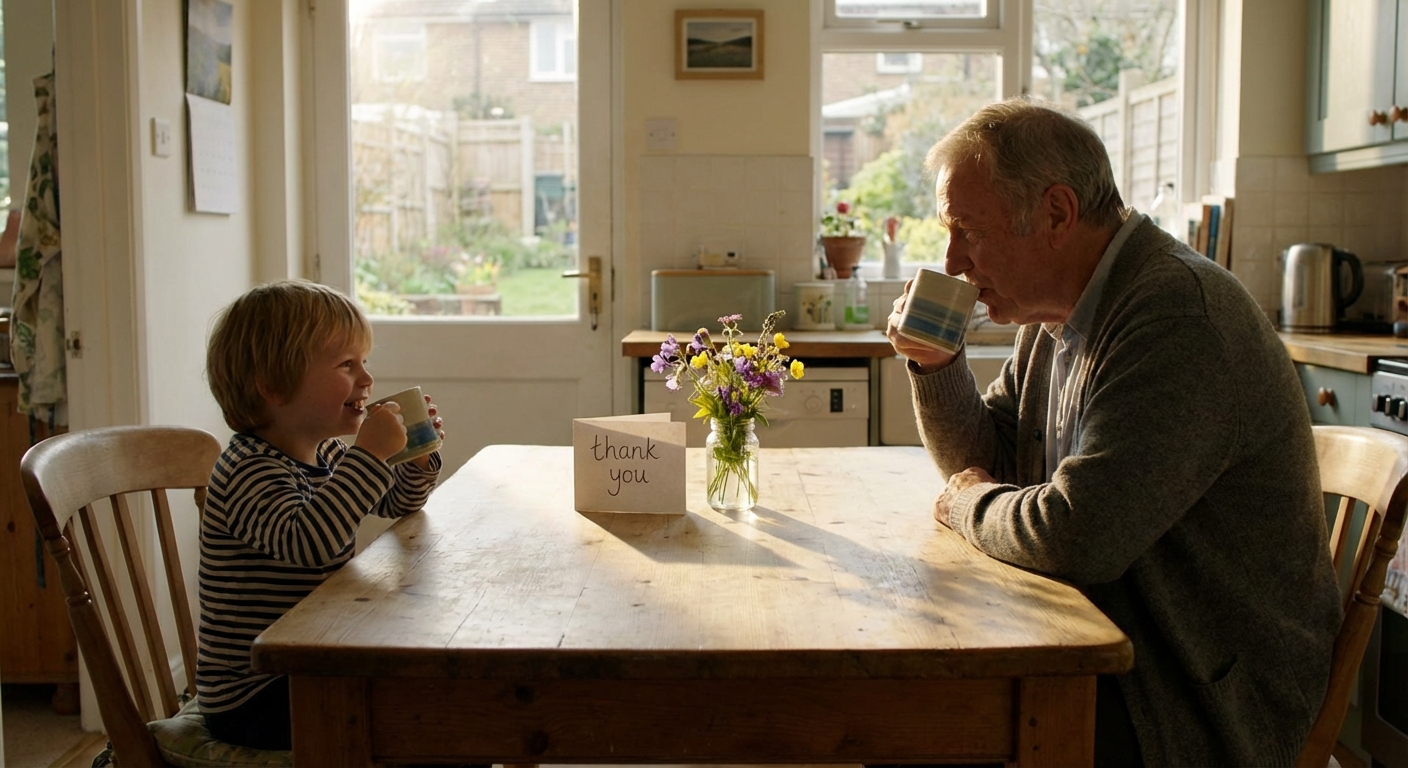
Many people imagine gratitude as a big event: a life-changing realization, a dramatic new perspective, or a long nightly ritual. In reality, gratitude grows more like a tree—rooted in countless tiny moments of noticing what supports and sustains us.
Why Small Gratitude Practices Matter
For mindfulness practitioners at any level, short, frequent gratitude practices can be especially effective. They fit gently into real life, require little effort, and over time, they reshape how the mind scans the world.
Neuroscience suggests that what we repeatedly notice and dwell on strengthens corresponding neural pathways. When we regularly rest attention on moments of appreciation, we gradually train the brain to recognize goodness and support more easily—even in challenging times.
The following seven “micro-practices” are designed to take between 10 seconds and 2 minutes each. You can try one or two today, without changing your schedule.
Micro-Practice 1: The First Sip
When: Morning beverage, or the first drink you have each day
- Before you drink, pause for just one breath.
- Look at the liquid—its color, steam, or the way it moves in the cup.
As you take the first sip, silently say:
“I’m glad for this.” or “This helps me start my day.”
Why it helps:
This simple pause anchors gratitude in a sensory experience. Over time, your body begins to associate mornings with a moment of mindful appreciation, which can gently influence your mood for the hours ahead.
Micro-Practice 2: One Window of Appreciation
When: Anytime you find yourself near a window or looking outside
- Let your gaze rest on something beyond yourself—a tree, the sky, a building, a patch of ground.
- For a few breaths, notice details: colors, shapes, movement, light.
Silently acknowledge:
“The world is moving and alive, even beyond my worries.”
If you like, add: “I’m grateful I can witness this small piece of it.”
Why it helps:
Even brief exposure to nature or natural light has been linked with improvements in mood and stress levels. This practice also gently widens your perspective beyond whatever thoughts are looping in your mind.
Micro-Practice 3: Thanking the Ordinary Object
When: During a routine task—brushing your teeth, unlocking a door, washing dishes
- Choose one object you use regularly: a key, toothbrush, phone charger, kettle.
- Hold or touch it with awareness for a second or two.
Silently think:
“My life is a little easier because this is here.”
You might picture the many unseen people and processes that made this object available to you.
Why it helps:
This practice reveals the web of support behind everyday life. It can create a sense of quiet connection—from yourself to the many hands and efforts you’ll never meet.
Micro-Practice 4: The Compassionate Check-In
When: Any time you catch yourself complaining internally (or out loud)
- Notice the complaint without judgment: “I’m frustrated about this.”
- Place a gentle hand on your chest or another neutral spot.
Add one sentence:
“And I’m grateful I care enough about my life to want things to be better.”
If that doesn’t resonate, you might try: “And I’m grateful I noticed how I feel.”
Why it helps:
This practice honors your dissatisfaction (which often signals important needs) while also appreciating your awareness. It turns resentment into a doorway for self-compassion and subtle gratitude.
Micro-Practice 5: Three Breaths of Relational Gratitude
When: Before sending a message, making a call, or walking into a conversation
- On the first breath, think of the person you’re about to contact. Acknowledge one quality you appreciate in them, however small—reliability, humor, honesty, shared history.
- On the second breath, notice how your body feels when you picture that quality.
On the third breath, silently offer:
“May this interaction be a little easier or kinder for both of us.”
Why it helps:
Pausing in this way can soften tension, reduce anxiety around communication, and prime your nervous system for connection rather than defensiveness. The gratitude here is subtle: you’re appreciating the relationship’s potential, even if it’s imperfect.
Micro-Practice 6: The Evening “One Good Thing”
When: Before sleep, while in bed or preparing for bed
- Close your eyes or soften your gaze.
Ask yourself: “What is one good thing that happened today, no matter how small?”
3. Let the memory arise. Spend a few breaths re-living it in detail: sights, sounds, sensations. 4. Whisper or think: “I’m glad this happened.”
If your mind says, “Nothing good happened,” you can widen the question:
- “What did I survive today?”
- “What didn’t go as badly as it could have?”
- “What supported me in any way?”
Why it helps:
Ending the day with even one moment of appreciation helps your brain store a more balanced picture of your experience. Research suggests that brief evening gratitude reflections can improve sleep and overall sense of wellbeing.
Micro-Practice 7: Gratitude for Future You
When: Anytime you complete a task, even a small one
- When you finish something—washing a dish, replying to an email, tidying a corner—pause for a second.
- Imagine your “future self” later today or tomorrow encountering the result of this action.
Silently say:
“May this make things a little easier for you.” or “I’m grateful I could do this small kindness for myself.”
Why it helps:
This practice builds a sense of internal partnership. You become someone you can rely on—a source of small, consistent support. Over time, this can reduce self-criticism and strengthen self-trust.
Tips for Sustaining These Micro-Practices
You do not need to use all seven. In fact, it may be more sustainable to choose just one or two for now.
Here are a few ways to integrate them gently:
- Tie them to existing habits.
For example, First Sip with your morning drink, One Good Thing in bed, or Ordinary Object while brushing your teeth.
- Use visual reminders.
A small dot sticker on your mug, phone case, or mirror can serve as a cue to pause for a few grateful breaths.
- Be kind when you forget.
When you notice you haven’t practiced in a while, you might simply think, “I’m grateful I remembered now.” This turns remembering itself into another opportunity for appreciation.
- Keep expectations light.
These practices are not meant to create instant joy or erase hardship. They’re more like planting small seeds. Their power accumulates gradually.
When Appreciation Feels Distant
There may be days when even these tiny practices feel out of reach. On those days, the kindest thing might be to simply rest your hand on your heart or belly and breathe.
You might whisper:
- “Today is hard.”
- “May I be gentle with myself.”
- “It’s enough that I showed up.”
This, too, prepares the soil where gratitude can later take root.
Letting Tiny Moments Grow Deep Roots
Gratitude does not need to arrive as a dramatic revelation. Often, it appears as a small softening, a brief exhale, a quiet sense of “I’m glad this is here.”
By weaving these micro-practices into your ordinary days, you allow appreciation to sink in slowly, like rain nourishing hidden roots.
Over time, those roots support you—not by denying life’s storms, but by helping you stay connected to what steadies and sustains you, one tiny moment at a time.